Is Your Bobcat Fork Lift Setup Ready for Stricter Noise Rules?
Blog
Forklift noise becomes a problem when a site sits close to housing or operates in...
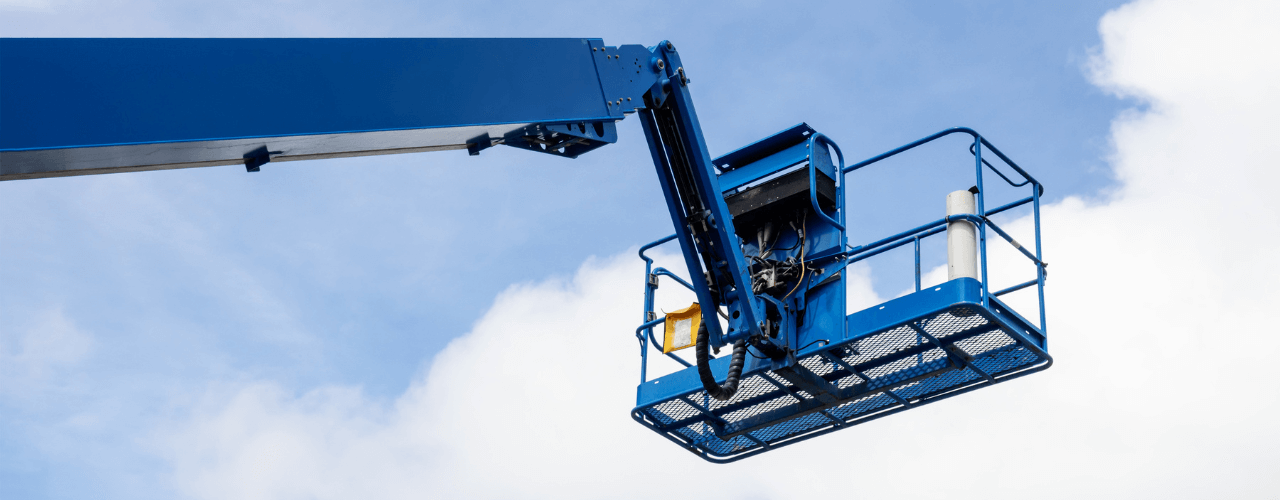
Working at height is routine on construction and industrial sites, but it’s also one of the fastest ways to get people hurt if the wrong equipment is used. For years, ladders and scaffolding have been the default choice. Today, access platforms give site teams a safer, more controlled way to get people up to the work, with a stable, guarded platform that removes many of the risks that come with climbing.
In the UK, the Work at Height Regulations place a clear duty on employers and those in control of work to manage the risk of falls and to show in RAMS (risk assessment method statements) and site policies how they intend to do it. If you are a site manager, health and safety advisor or contracts manager responsible for updating RAMS for a site, the choice of access equipment is one of the most visible decisions you make. The hierarchy is simple: avoid work at height where you can, then prevent falls, and only as a last step minimise the distance and consequences if a fall still happens. That hierarchy should change what you reach for first on site. Picking the right method at this stage saves time later when audits, investigations or client questions come back to how a task was planned.
Ladders sit at the bottom of that hierarchy. They are suited to short, light-touch tasks where three points of contact can be maintained, and the user is not handling heavy tools or materials.
Scaffolding sits in the middle. It can provide safe access for long-duration work, but it takes time to erect and needs competent assembly. If handrails or toe boards are missing or altered, the system is compromised. People are often most exposed when the scaffold is going up or coming down.
Mobile access platforms move sites closer to the “prevent falls” end of that hierarchy. Instead of climbing a structure, operators work from a guarded platform that is raised and lowered in a controlled way, which is why many safety teams now push for powered access on jobs where ladders and temporary towers were once the default.
Scaffolding still has a place on many projects, and nobody is taking it off sites any time soon. For long-duration, static work, a correctly designed and erected scaffold can provide safe access for multiple trades.
The problems start when scaffold towers are used for short jobs and frequent moves. On live sites, towers rarely stay in one place for long. Towers introduce many components and assembly steps, so there is more room for human error, especially when teams move or adapt them. Incomplete platforms and missing guardrails increase the risk of falls, as do unauthorised alterations. Those are the details that catch people out.
For short-term work, powered access vs scaffolding safety often comes down to simplicity. Access platforms arrive ready for use, with no on-site assembly. The operator elevates to the work area, completes the task, lowers the platform and moves on. Fewer build steps mean fewer chances for something to be put together incorrectly or left incomplete. It also means less time spent building, moving and checking towers and more time spent on the work itself. It also cuts down on delays when towers have to be checked or rebuilt before work can restart.
One of the benefits of mobile access platforms is that many safety controls are built into the design rather than relying on improvised site solutions.
Typical features include:
You still need a proper plan and supervision, but at least the starting point is equipment designed for safe elevation, not a general tool being stretched to cover jobs it was never meant for. In practice, that cuts down on improvised fixes and lets teams get on with the task instead of fighting the access method. That reduces the number of moving parts you have to manage in RAMS and site briefings.
There will always be jobs where ladders and scaffolding still make sense. The decision is not about removing them completely but about matching the method to the risk and the nature of the work.
An access platform is usually the better fit when:
In these situations, a platform offers a more controlled way to position the operator and keep them secure while they work. Using platforms in these situations supports fall prevention with access platforms across the programme, rather than relying on ladders or towers as a stopgap.
Choosing an access platform is only part of the safety picture. The hire partner you use also affects how easily you can comply with access platform safety regulations UK and site rules.
You should expect your hire partner to:
When those pieces are in place, access platforms become a reliable way to meet your obligations under safe working at height guidance. They stop being a last-minute fix when ladders are challenged and site teams are already under pressure.
If you are reviewing how your teams work at height and weighing up ladders, towers and platforms, powered access platforms are often the easier method to justify when you are signing off work-at-height methods. They give you a stable platform, built-in fall prevention and controls that fit how modern sites actually run.
If you are not sure whether a particular job is better suited to an access platform, scaffolding or something else entirely, speak with the Glosrose team before you decide. We can help you plan access platform hire that supports safe working at height and keeps things straightforward for the teams who have to work with the method every day.


Not sure what you are looking for or need some advice for your requirements? Get in touch with us today and a member of our experienced team will be more than happy to help answer your questions.