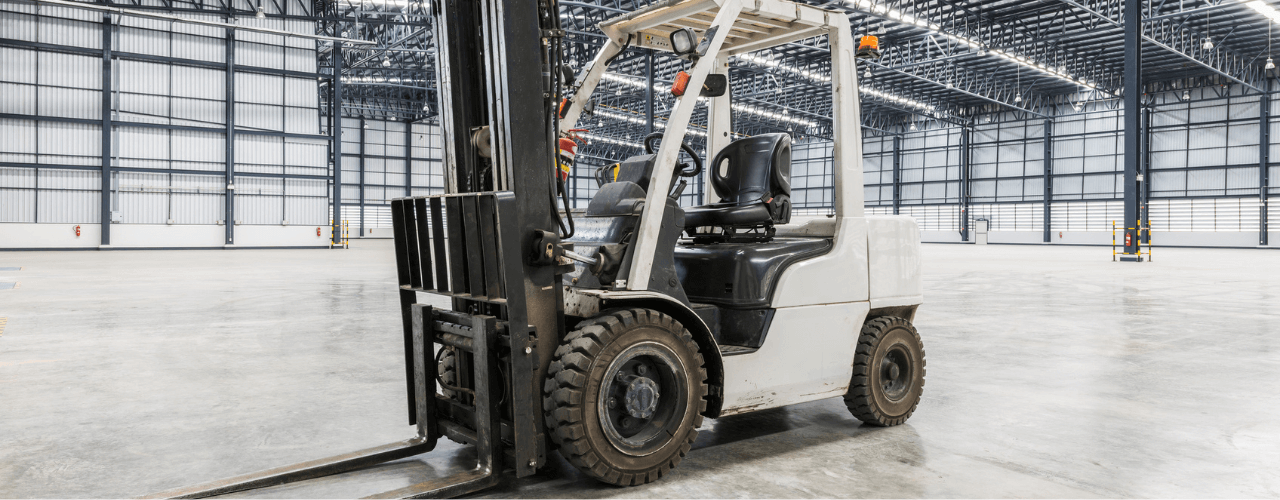
Is Your Bobcat Fork Lift Setup Ready for Stricter Noise Rules?
Blog
Forklift noise becomes a problem when a site sits close to housing or operates in...
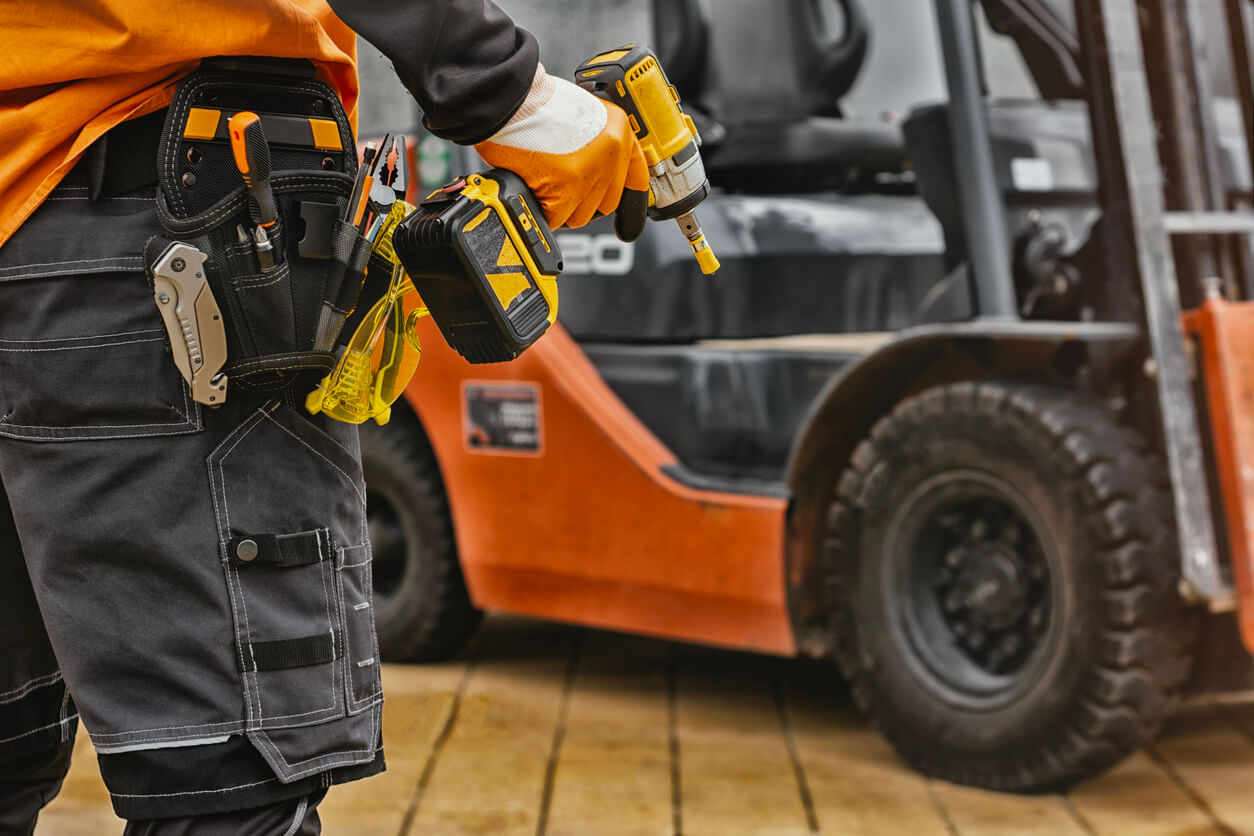
Good upkeep keeps people safe, protects stock, and keeps the programme on track. Health and safety executives expect planned checks and safe use. This Doosan fork lift (now Bobcat forklifts) guide covers daily checks, power‑specific care, and the records that keep your fleet compliant and durable. Each step is written so supervisors can action it.
A Doosan/Bobcat fork lift daily check covers braking and steering, mast and chains, forks and carriage, hydraulics, tyres, safety devices, and hour‑meter/ID logging. Carry out a short pre‑use inspection at the start of each shift and after any change of operator. Record findings and tag‑out unsafe trucks until an engineer clears them. If a check affects stopping, steering, lifting, or restraint, quarantine the truck and request a service.
Run the mast through a short lift/lower; movement should be smooth with even chain tension and free‑running rollers. A dry chain often squeaks on descent, lubricate and re‑check tension. Inspect forks for cracks and measure fork‑heel thickness with a gauge; replace per the manufacturer’s wear limit (many specify around a 10% reduction). Scan hydraulics for leaks at hoses and rams; a light mist on ram rods suggests a gland weep; clean, cycle, and re‑check. Check tyres for cuts, chunking, or flat spots and verify inflation or wear line. Test horn, reverse alarm, beacons, and seat restraint. Record the hour‑meter and truck ID so you can trace defects and book the right repair.
For lead‑acid Doosan fork lift trucks, charge in a ventilated, signposted bay away from ignition sources, with spill kit and eyewash available. Inspect connectors for heat damage or bent pins. Top up after charging (or per the OEM’s post‑charge guidance) with de‑ionised water to the level marks. Complete charge cycles where possible and avoid repeated deep discharges. They shorten battery life.
For lithium‑ion Doosan forklift models, opportunity charge during breaks. Avoid chronic very‑low state‑of‑charge runs; follow the OEM’s SOC and temperature range. Watch BMS warnings and report them early.
Correct charging and connector care reduce unplanned stops and extend battery life.
For LPG Doosan fork lift units, use a well‑ventilated change area, secure the strap, check orientation, and leak‑check with soapy water at joints and the regulator. Store cylinders upright in a designated cage away from heat and traffic. For diesel Doosan fork lift units, confirm fluids, keep air/exhaust paths clear, and never run indoors with a known exhaust leak; schedule repair before recommissioning. Good fuel practice reduces fire risk and avoids avoidable call‑outs.
Forklifts should be out of service for cracked forks, failed brakes or steering, hydraulic leaks, damaged chains, structural damage, or expired LOLER. Remove the truck from use when any safety‑critical system fails. Quarantine, record the defect, and call service. Do not return it to use until an engineer signs off the repair in writing.
Keep LOLER certificates and next‑due dates, planned‑maintenance schedules, pre‑use logs, defect close‑outs (with engineer job numbers), and operator handover notes. File documents where supervisors can access them quickly.
Tyres wear fast when compound and tread do not match the floor. Select the right tyre, rotate where applicable, and replace at wear markers. Keep mast chains and pulleys lubricated and at correct tension and replace in matched sets to maintain balance. Use a thickness gauge on forks and replace them when below the allowable wear. Never mix unmatched forks. Inspect attachments for locking integrity and hydraulic couplers and service them per the attachment manual. Targeted care here prevents early chain and fork replacement and avoids higher repair costs.
Plan hour‑based PM around low‑activity windows and book a clear service slot. Avoid inbound bay peaks (for example, 07:30–09:00) so loading continues. Reserve access space, isolate power where required, and brief the supervisor who will meet the engineer. Share symptoms and truck IDs in advance so the engineer arrives with likely parts and avoids a second visit. For a maintenance plan that fits your shifts, send hours and fleet size to servicing; we can map a PM calendar and provide printable check sheets.
Give each operator a model quick‑start covering controls, lift/tilt feel, alarms, and blind spots. Then brief site routes with pedestrian crossings and speed zones. A short next‑day check‑in captures early issues and allows minor adjustments. Five minutes of onboarding reduces operator error and equipment damage.
If you run Doosan forklift trucks in Kent, Surrey, Sussex, or Greater London, we’ll help you cut downtime and meet HSE expectations with clear daily checks, solid battery/LPG routines, and audit‑ready records. Tell us what’s happening on site and what trucks you run; we’ll respond with next steps.
Contact Glosrose about your Doosan forklift (now Bobcat forklifts).

Not sure what you are looking for or need some advice for your requirements? Get in touch with us today and a member of our experienced team will be more than happy to help answer your questions.