Is Your Bobcat Fork Lift Setup Ready for Stricter Noise Rules?
Blog
Forklift noise becomes a problem when a site sits close to housing or operates in...
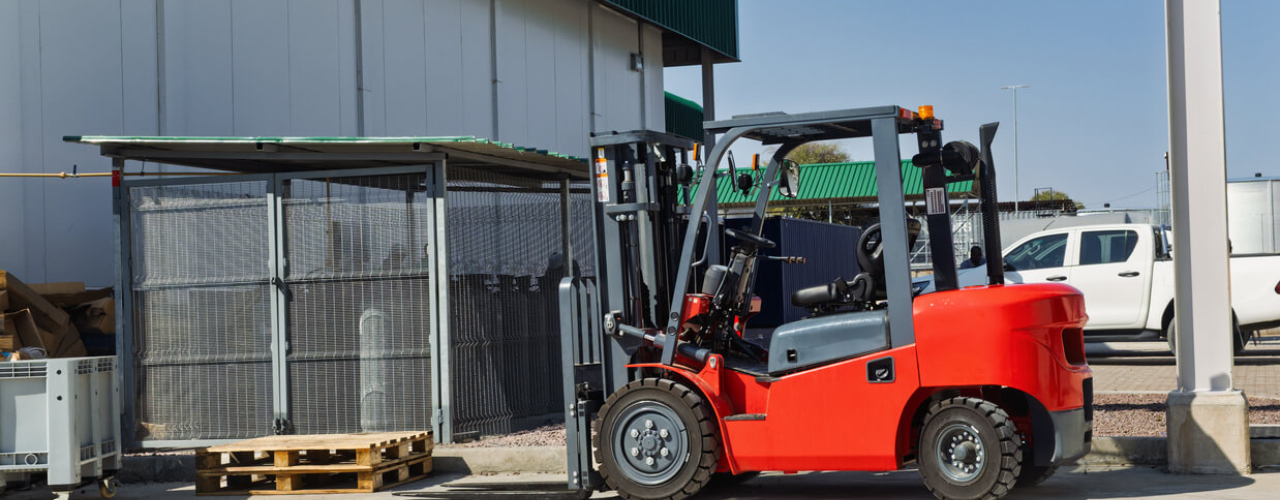
The counterbalance forklift is the necessary workhorse; the foundational asset no serious industrial operation can do without. The days of assuming an operator with a basic training certificate is ready for peak efficiency are long gone. A single, under-trained operator or a non-compliant machine can flat-out cripple a smooth-running operation, leading to bottlenecks and exposing the business to unnecessary liability.
Regulatory pressure in the UK, driven by the Health and Safety Executive (HSE), dictates a severe shift in standards. This directly impacts your equipment choice, your operator training protocols, and, most importantly, your site’s operational profile and financial margin. The focus has shifted from merely passing a test to proving sustained, consistent competence and using technology to wipe out clear risks.
The enforcement and practical interpretation of existing UK regulations have become far tougher, forcing operational managers to move past minimum compliance toward measurable, proactive safety improvements.
These three primary pillars govern this non-negotiable shift:
The combined pressure from these three areas necessitates advanced compliance. This is a direct, data-driven response to accident statistics, which consistently show that operator error and inadequate supervision are key contributors to major workplace incidents that cause expensive downtime. To ensure your fleet meets the rigorous maintenance standards required by PUWER, explore our Servicing options.
The Health and Safety Executive (HSE) consistently reports that annually, around 1,000 workers suffer non-fatal major injuries involving lift trucks (forklifts) in UK workplaces.
Ask yourself: Are you certain your documentation proves you meet the ACOP L117 requirement for model-specific familiarisation?
Equipment manufacturers embed advanced technology directly into modern counterbalance forklifts, transforming the forklift from a simple mechanical machine into an integrated, connected tool designed specifically for compliance and risk mitigation.
Here are the key technological adaptations you should prioritise when looking at counterbalance forklift hire:
New models use integrated sensors and control units to actively intervene before the point of failure. Integrated Stability Monitoring dynamically checks load weight and travel speed. If an operator attempts an aggressive turn with a heavy load at height, the system automatically moderates speed or locks the rear axle pivot to prevent a side tip-over. Furthermore, Geo-Fenced Speed Governance limits maximum speeds in high-risk operational zones (like narrow racking aisles), governing safety across the entire fleet regardless of individual operator input.
Telematics systems provide non-negotiable data that boosts both productivity and regulatory compliance.
The most significant operational shift redefines competence, moving from a static “licence” to a model of Continuous Professional Development (CPD) governed by telematics data and regulatory requirements.
A standard certification confirms an operator has the foundational skills to drive a counterbalance forklift. However, the HSE clearly states this is insufficient.
When managers assign an operator a new machine even a different model within the same category that operator requires specific, documented familiarisation training. This is non-negotiable and must cover:
Operational managers must document this model-specific familiarisation. Without this record, you face significant liability in the event of an incident or insurance claim. For modern, compliant equipment featuring the latest safety technology, view our range of Electric Counterbalance Forklifts.
UK best practice mandates formal refresher training conducted regularly (typically every three to five years) or immediately following an accident or period of poor performance identified by telematics data.
The new approach to training leverages technology to optimise capital outlays:
When you bring in a new counterbalance forklift hire, you must ensure your operators have the necessary model-specific training.
As you plan your fleet management strategy, integrate these best practices to ensure you meet and exceed the evolving UK safety standards:
Choosing a counterbalance forklift is a high-stakes decision that directly ties machine specification to legal and training requirements. You need equipment that is compliant the moment it hits the site and a partner who understands the operational nuances of UK standards.
Glosrose offers a wide fleet of modern counterbalance forklifts equipped with the latest safety technology. We provide comprehensive, expert support. This ensures the machines you hire meet LOLER and PUWER standards from day one, giving you the necessary peace of mind.
We supply the kit and provide essential assistance as you navigate the complex operational realities of modern material handling.
Contact Glosrose today to secure the right counterbalance forklift and compliance support that aligns with your operational mandate. Book your counterbalance forklift. equipment with complete confidence now.

Not sure what you are looking for or need some advice for your requirements? Get in touch with us today and a member of our experienced team will be more than happy to help answer your questions.