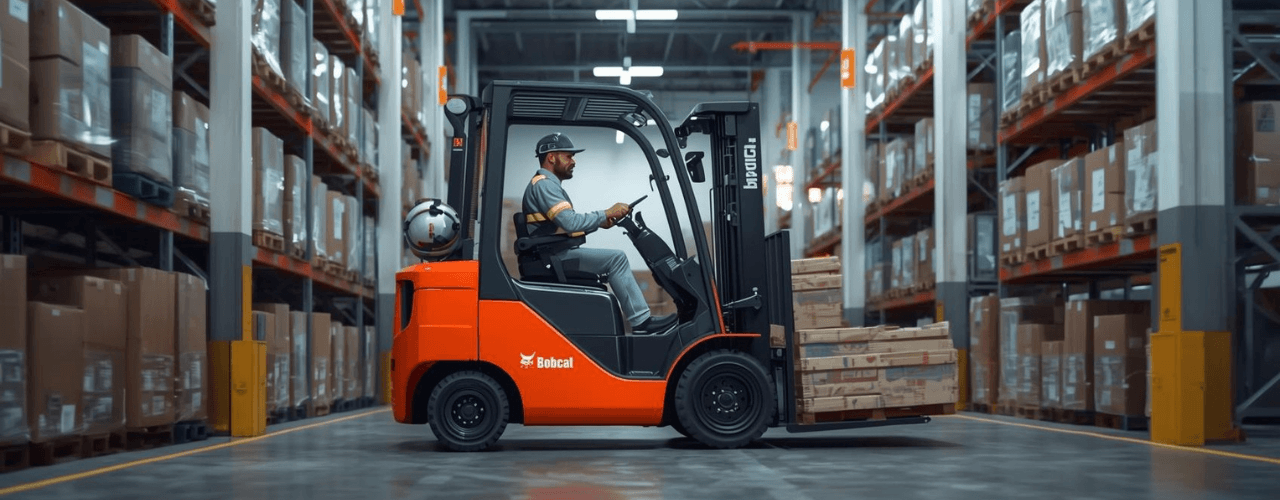
If you are choosing a Bobcat machine for a warehouse, yard, or mixed-use site, the spec needs to reflect how the machine will be used day to day. Get it wrong and handling slows down, wear increases, visibility suffers, and downtime becomes more likely. Site managers, warehouse operators, and procurement buyers should look at a few key points before settling on a Bobcat spec.
At Glosrose, we start with the application. We look at the site layout, the loads involved, how much work happens indoors or outdoors, and how hard the machine will be worked. That makes it easier to narrow down the right machine, mast, capacity, tyre setup, and level of support.
Why does Bobcat spec matter so much?
A machine can look right on paper and still be wrong once it is on site. If the truck is too large for the aisle width, every movement slows down. If the tyre setup does not suit the surfaces you work across, performance drops. Capacity can be a problem too. Too much adds cost without giving you much back. Too little can create handling problems, maintenance issues, and unnecessary risk from the start.
That is why brand alone is never enough. Bobcat offers a broad material handling range, but the better question is whether the spec suits the way your site actually runs.
What should you check before choosing a Bobcat machine?
Start with the conditions the machine will face every day. Look at the layout, the loads involved, how much of the work happens indoors or outdoors, and how heavily the machine will be used.
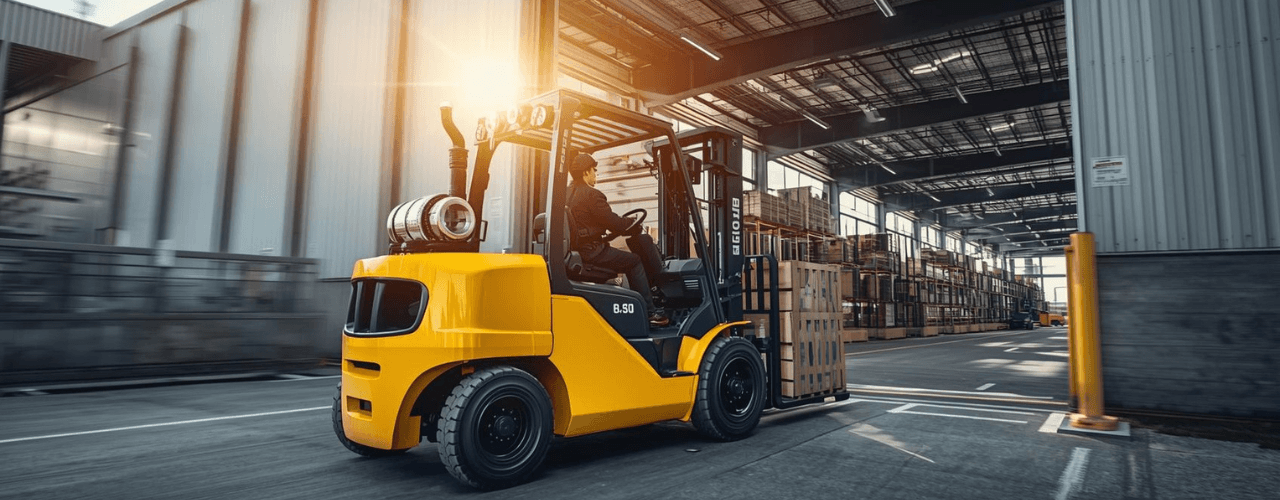
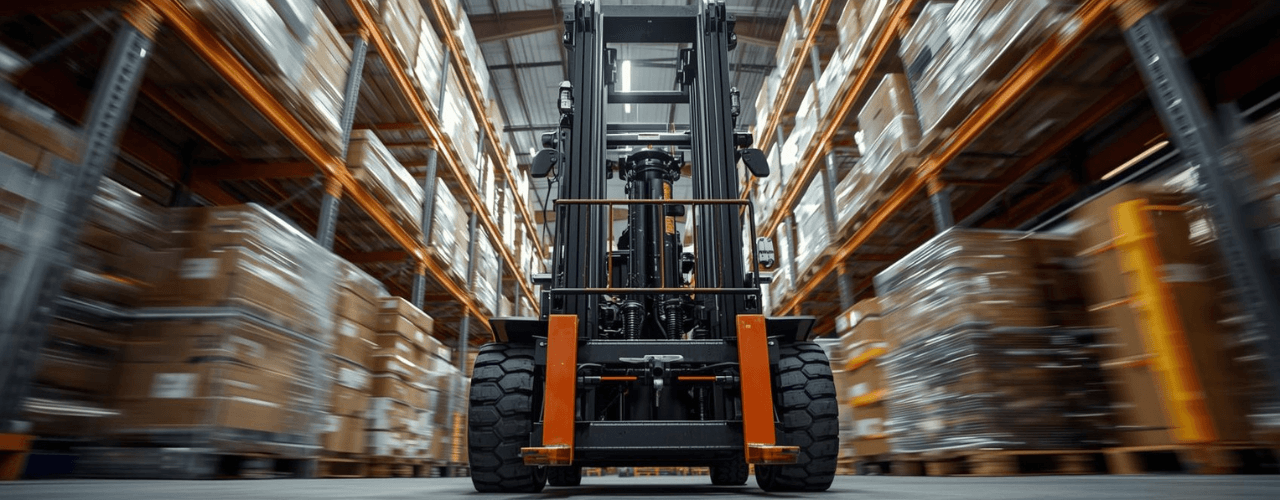
On tighter warehouse sites, turning circle, aisle width, mast height, and operator visibility matter more. If the machine has to move between yard and building, tyre choice and ground conditions matter more too. Then look at the handling pattern. Some operations move the same palletised stock all day. Others deal with mixed loads, variable weights, and more awkward cycles that place greater strain on both the operator and the machine.
Power type should follow the same logic. Electric forklifts can be a strong fit for indoor environments where emissions, noise, and manoeuvrability matter most. For tougher outdoor work or mixed-use sites, LPG forklifts or diesel forklifts may be more suitable depending on the workload and operating pattern. Usage levels matter as well. A lightly used machine should not be specced in the same way as one working every day across a busy warehouse or distribution site.
Which Bobcat machine type is right for your operation?
This is where many buyers start to drift. Bobcat covers a wider material handling range, and each machine type suits a different environment.
If your operation centres on lifting, stacking, unloading, and moving palletised goods, a Bobcat forklift is usually the most relevant option. If storage density, racking access, and tighter internal travel routes matter more, a warehouse truck may be the better fit. Electric forklifts often suit indoor handling where cleaner operation and lower noise levels are important. LPG forklifts and diesel forklifts tend to make more sense on tougher outdoor sites or in mixed environments where refuelling speed and site conditions shape daily use.
The point is to match the machine type to the job before you get into the finer spec details.
If you are weighing up the right Bobcat setup for your site, Glosrose can help you compare machine type, power option, and working environment before you commit. If a purchase is not the immediate route, we can also discuss hire options for sites that need flexibility or short-term cover.
What spec details make the biggest difference in practice?
Once you know the machine type, focus on the parts of the spec that affect day-to-day performance.
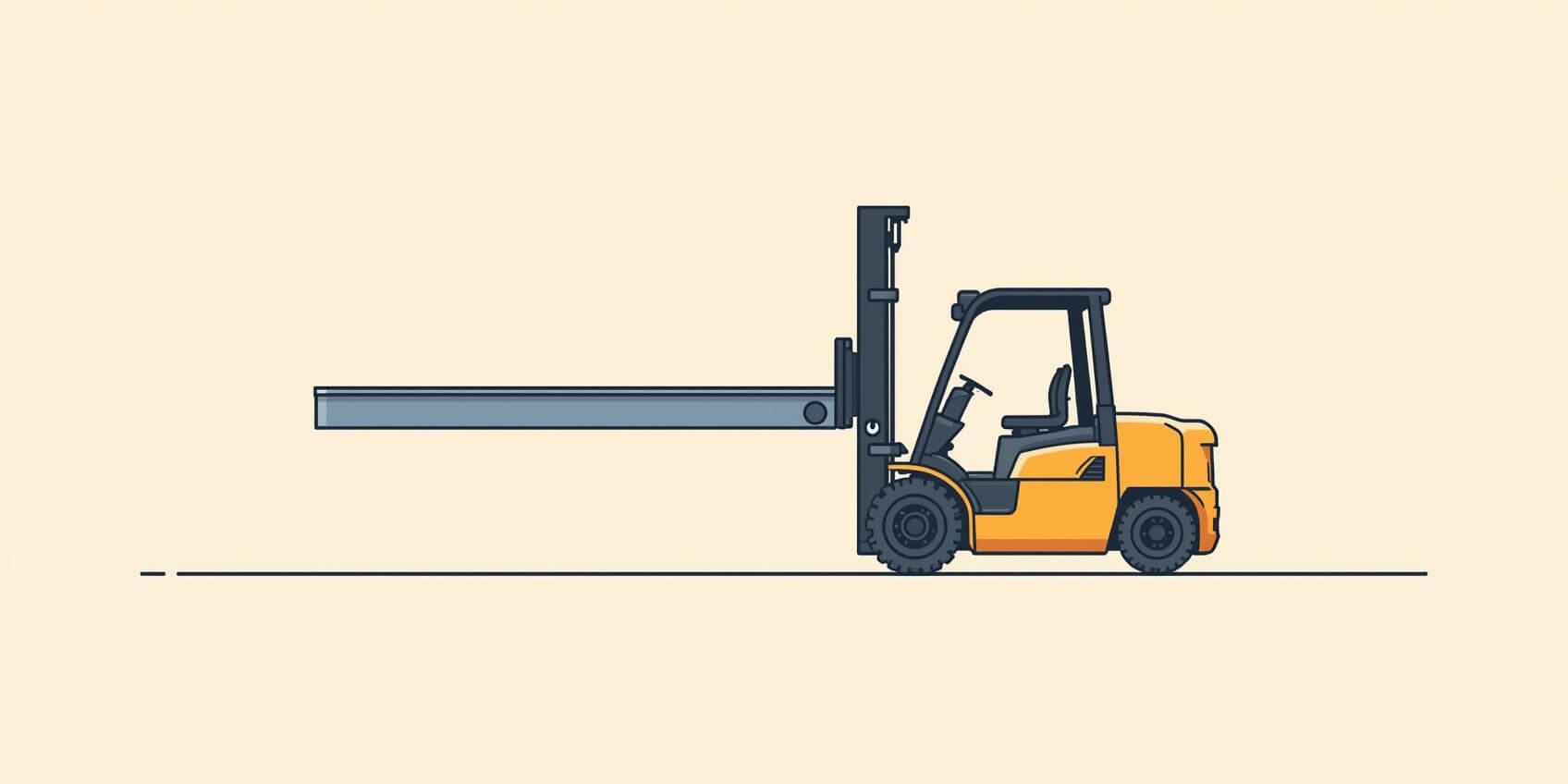
Start with lift capacity. It should reflect the loads you handle most often, not the heaviest load you might move every now and then. Then look at mast configuration, because that affects lift height, collapsed height, visibility, and the machine’s suitability for your building. Tyre choice matters for traction, floor protection, ride quality, and wear rates, so it needs to suit the surfaces the machine will travel across.
Operator comfort matters too. On longer shifts, cab layout, ease of control, and visibility around the forks can all affect productivity. Support matters as well. Planned maintenance, parts availability, and fast engineering response all affect the long-term value of the equipment.
How do you avoid buying the wrong Bobcat spec?
Do not make the decision from a brochure alone. A machine can sound ideal in a product summary and still be wrong for your handling pattern, floor conditions, or daily workload.
Before you decide, check:
- the loads you move most often
- your available space and access points
- your lift height requirements
- your preferred power type
- the balance between indoor and outdoor work
- expected daily usage
- servicing and support requirements
That usually helps you avoid the most common mistakes, from over-sizing to the wrong mast setup or the wrong power type for the site.
Why does local support matter when choosing Bobcat equipment?
Getting the machine right is only part of the job. Ongoing support matters just as much. Even the right machine can turn into a poor investment if service is slow, parts are hard to get, or the original recommendation did not reflect the way the site actually works.
Most buyers need more than a product list. They need practical guidance, local availability, and support from people who understand how different machines perform in real handling environments.
How can Glosrose help you choose the right Bobcat spec?
At Glosrose, we help customers choose Bobcat equipment based on the demands of the job. We look at your site, your handling pattern, your access restrictions, and the level of performance you need from the machine.
If you are weighing up electric, LPG, diesel, warehouse truck, or forklift options, we can help you narrow the range and identify a spec that fits your operation. The aim is simple: help you choose equipment that works properly on site, stands up to the workload, and gives you better long-term value.
If you want practical advice on the right fit for your site, explore our Bobcat range or contact the Glosrose team. If you need flexibility before making a purchase decision, we can also advise on suitable hire options.