Is Your Bobcat Fork Lift Setup Ready for Stricter Noise Rules?
Blog
Forklift noise becomes a problem when a site sits close to housing or operates in...
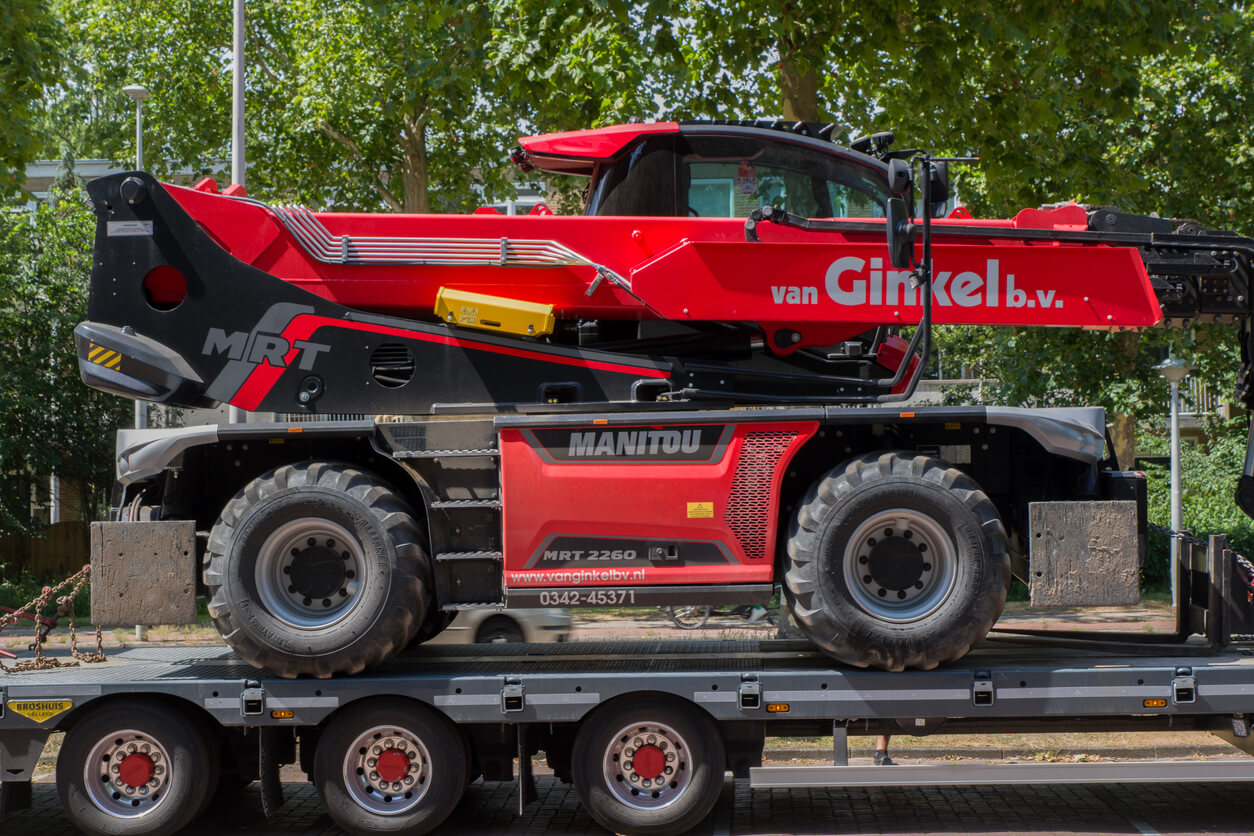
Warehouse shell builds move on bay‑by‑bay sequences. A rotating unit lets one operator service adjacent bays from a single setup. A Manitou Telehandler (rotating) covers those roles in a single footprint with one operator and fewer deliveries. If you run warehouse builds in the South East, here’s where a rotating telehandler fits and which attachments save time across trades. Miss a crane slot and you lose a day. Add extra MEWP or cage deliveries and costs rise. Rotation helps you keep momentum without waiting on multiple hires.
A rotating Manitou Telehandler gives you 360° placement from a single setup. You reach multiple lift points without moving the chassis.
Before lunch, you wait on a MEWP and a small crane slot. After lunch, the cladding crew needs panels at height, and the M&E team wants a quick lift for a fan unit. A rotating telehandler lets one operator keep both jobs moving.
It shines on shell build, cladding, M&E at height, mezzanine and racking installs, and yard staging. Keep it out of live aisles. Use forklifts or reach trucks for pallet moves.
You book a crane slot for 14:00. A prior task slips, you miss the slot, and the lift moves to tomorrow. You lose a day. With a rotating telehandler on site, you can complete the lighter lift now and stay on sequence.
A Manitou Telehandler excels around the warehouse structure and yard. Forklifts and reach trucks still own pallet movements inside live aisles. Keeping the roles clear avoids confusion and helps teams pick the right kit.
Quick‑attach forks, lifting jibs, work platforms, and buckets turn one Manitou Telehandler into several roles in minutes.
Morning: forks to position cladding packs. Midday: switch to a jib to lift an air‑handling unit into place. Afternoon: platform work to complete cable‑tray runs, then a quick tidy using a bucket or sweeper. That flow keeps a single operator productive and reduces idle hires.
One unit with the right attachments covers several trades, which cuts deliveries, inductions, and idle time.
To keep those gains predictable, set the machine up properly and plan the lifts against the load chart.
Ops maths (example): Two extra deliveries and an induction can cost about an hour. Book forks, platform, and jib at the start and you keep that hour on the programme.
If uptime matters, pair your hire with servicing and swap‑out cover so breakdowns do not stall the programme. Book through Servicing to lock in response support.
Write the lift plan, check the attachment rating, set stabilisers correctly, and use trained people. That keeps lifts smooth and predictable.
For deeper safety and technique guidance, review your telehandler best‑practice content with the team before the shift. If the site has uneven ground or changing surfaces, plan stabiliser pads and routes in advance. Confirm the attachment SWL (Safe Working Load) against the lift plan and the load chart before you leave the set‑down.
Hiring a Manitou Telehandler is ideal for short, intensive build/fit‑out windows, so you gain flexibility, guaranteed maintenance, and fast scale up or down.
Book a short site call to confirm spec and attachments, then schedule delivery to match the work fronts. Start here: Hire.
Prompt delivery across Kent, Surrey, Sussex, and London; availability varies by fleet and location.
Book a rotating Manitou Telehandler review call. We’ll confirm lift plan assumptions, specify the attachment set, and line up a delivery window that matches your gate slots.
Start a request on the Hire page. Speak to Servicing about uptime cover. Or contact us to talk through your next project.
Keep cost and time predictable by bundling the attachment pack into the hire from day one. Aim for first‑hour productivity: ship the attachment set with pads, slings, and site documents so the unit starts work when it rolls off the lorry. A Manitou Telehandler with rotation is not a niche add‑on for flagship jobs. It is a practical way to keep cladding, M&E, and yard tasks moving on typical warehouse projects across the South East.


Not sure what you are looking for or need some advice for your requirements? Get in touch with us today and a member of our experienced team will be more than happy to help answer your questions.