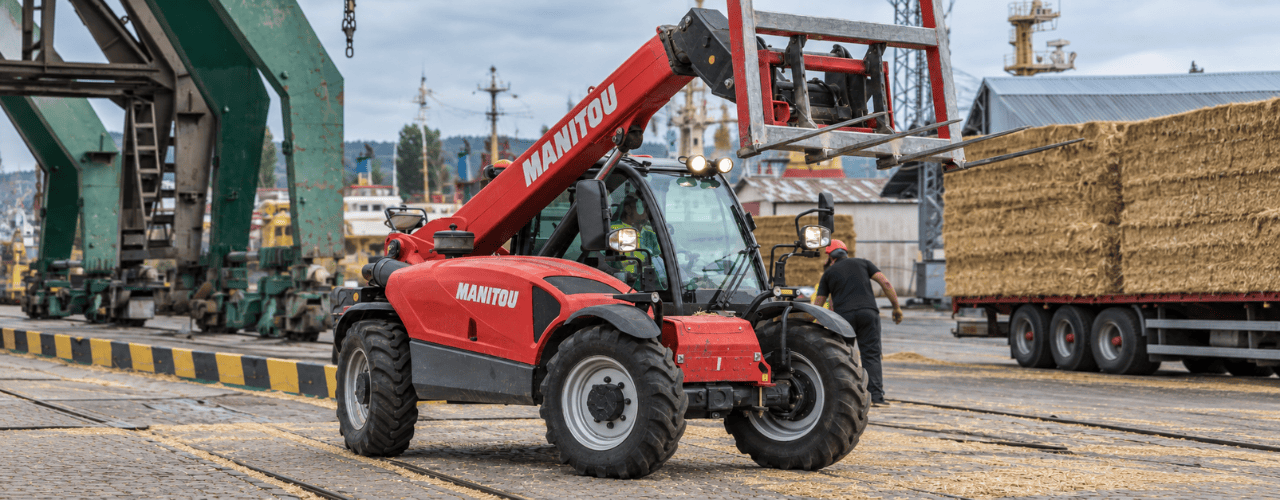
When Does Manitou Forklift Hire Suit a Mixed-Use Site?
Blog
If your operation moves materials between a warehouse, loading bay and yard, the question is...
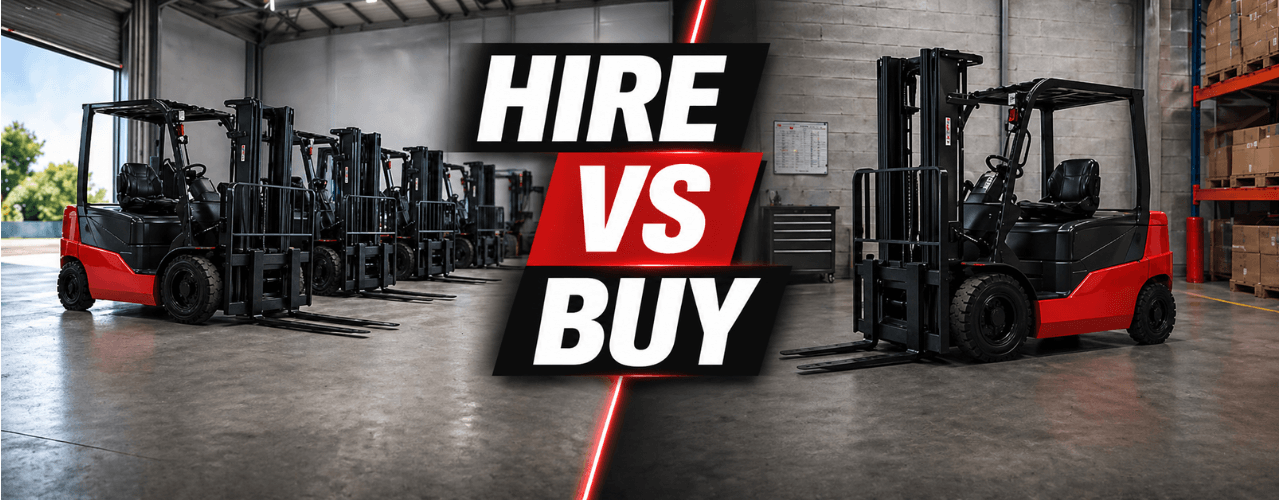
Rising equipment costs and unpredictable demand are forcing warehouse teams to rethink how they fund lifting equipment in 2026. If cash flow flexibility matters, committing capital to depreciating machinery can limit how quickly you respond to change. Forklift hire offers a way to keep operations moving without locking cash into assets that lose value over time.
Warehouse operations are dealing with higher capital costs alongside uneven demand. Buying equipment outright ties up cash that could otherwise support staffing, stock, or expansion. That constraint becomes more obvious when demand shifts. A forklift purchased for today’s workload may not match requirements two years later, yet the capital remains locked in. Many logistics teams are moving towards fixed operating costs instead. Forklift hire agreements provide predictable monthly spend, making it easier to plan around fluctuating volumes while keeping equipment available when needed.
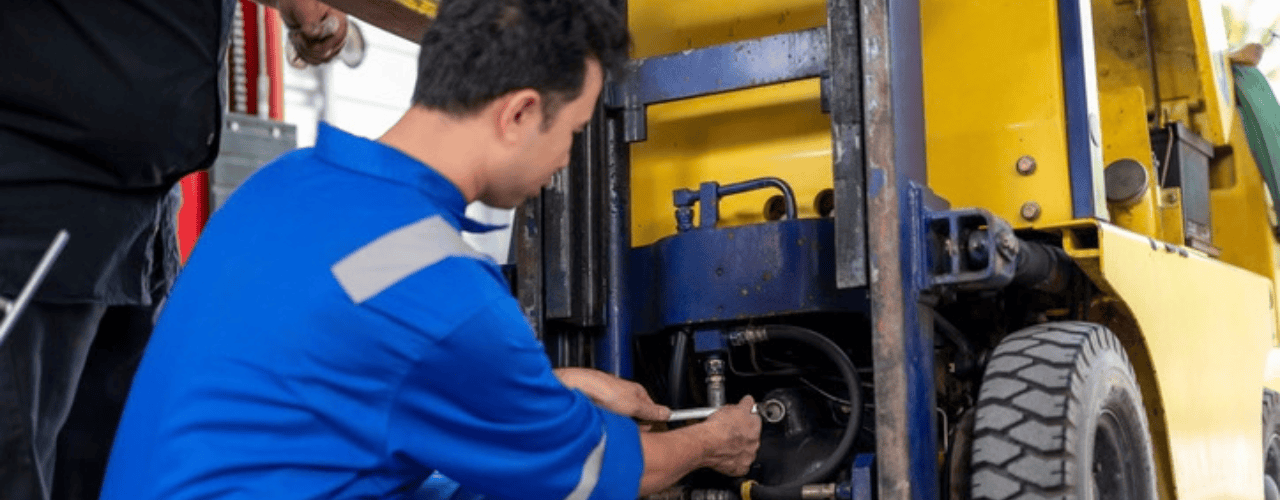
Forklift hire replaces large upfront spend with consistent monthly costs. That shift improves cash flow and removes several financial risks tied to ownership. When you own equipment, you carry the cost of breakdowns, repairs, and compliance. As machines age, those costs become harder to predict. Hiring places that responsibility with the supplier, keeping your internal costs stable. There is also the administrative side. Regulatory requirements such as LOLER inspections still apply, but with a hire contract, they are managed for you. That reduces internal workload and ensures compliance without additional coordination.
A direct comparison shows a clear difference in cost structure. Buying introduces variable expenses, while hiring keeps costs consistent.
Ownership includes:
Hiring bundles these into a single, predictable payment.
The difference becomes clear when equipment fails. A purchased truck out of warranty creates immediate, unplanned spend. With hire, support is already built into the agreement, so downtime and cost exposure are reduced.
The upfront price of a forklift is only part of the total cost. Ownership brings ongoing financial commitments that are often underestimated. Maintenance, inspections, and component replacements all add up over time. Electric models introduce additional costs through battery replacement and power system upkeep. There is also the issue of depreciation. Equipment begins losing value as soon as it enters service and recovering that value later can be difficult. Hiring avoids these issues. The equipment is returned at the end of the term, removing concerns around resale, disposal, or long-term value loss.
Hire is often the better option when demand is uncertain or seasonal. It allows you to adjust fleet size without carrying unused equipment during quieter periods. For example, a business handling short-term contracts or peak seasonal volumes can scale equipment up and down as needed. That flexibility keeps costs aligned with actual workload. Ownership can still make sense for stable, long-term operations where equipment runs continuously over many years. In those cases, utilisation may justify the initial investment.
Seasonal demand creates short bursts of high activity followed by quieter periods. Short-term forklift hire allows you to match equipment levels to those peaks without long-term commitment. Retail and agricultural operations often face this pattern. Buying additional trucks for a few months of heavy use leaves them underutilised for the rest of the year. Short-term hire fills that gap. Equipment is available when needed and removed when demand drops, keeping both costs and space under control.
Flexible, short-term hire agreements are built around changing site requirements. You can adjust contract length or equipment type as your operation evolves. If your warehouse layout changes or your load profile shifts, the equipment can be swapped to match. This prevents you from being tied to machinery that no longer fits your operation. For businesses dealing with changing client contracts, this flexibility removes the risk of being locked into unsuitable terms.
Short-term hire pricing depends on the type of equipment and the length of the agreement. Higher-capacity machines typically cost more, while longer terms often reduce the overall rate. Servicing and breakdown cover are usually included, which simplifies budgeting. You know what you will pay without needing to account for unexpected repairs. This clarity helps finance teams plan more effectively and reduces the risk of cost overruns.
Electric forklifts introduce additional cost considerations, particularly around batteries and power systems. Ownership means managing battery degradation, replacement, and ongoing maintenance. These costs can be significant over time. Hiring avoids this exposure. You gain access to newer, more efficient models while the supplier handles maintenance and performance issues. It also makes it easier to upgrade as technology improves.
Choosing the right supplier comes down to reliability and local support. A provider with regional coverage can respond faster to breakdowns and deliver equipment more efficiently. Glosrose supplies counterbalance and warehouse trucks across Kent, supported by mobile technicians who handle servicing and repairs on site. This reduces downtime and keeps operations running without delay.
Equipment decisions in 2026 come down to balancing cost, flexibility, and risk. Hiring reduces financial exposure while keeping operations adaptable. If maintaining cash flow and avoiding unpredictable costs are priorities, rental agreements offer a practical route. They provide access to the equipment you need without the long-term constraints of ownership. Working with a local supplier also ensures faster support and a better fit for your operational needs.
If you’re weighing up forklift hire against buying, the next step is to look at your actual site demands and cost pressures. Glosrose can help you assess what equipment you need, when you need it, and how to keep costs predictable. Speak to the team today for straightforward advice and a clear quote tailored to your operation.
How Quickly Can Equipment Be Delivered?
Delivery times depend on the equipment required, but standard warehouse trucks can usually be dispatched quickly across Kent to avoid disruption.
What Maintenance Is Included?
Hire contracts include routine servicing and required safety inspections. This ensures compliance while removing the need for internal coordination.
Can Equipment Be Upgraded During the Contract?
Yes. Equipment can be swapped during the agreement if your requirements change, allowing you to maintain the right setup as your operation evolves.
Not sure what you are looking for or need some advice for your requirements? Get in touch with us today and a member of our experienced team will be more than happy to help answer your questions.