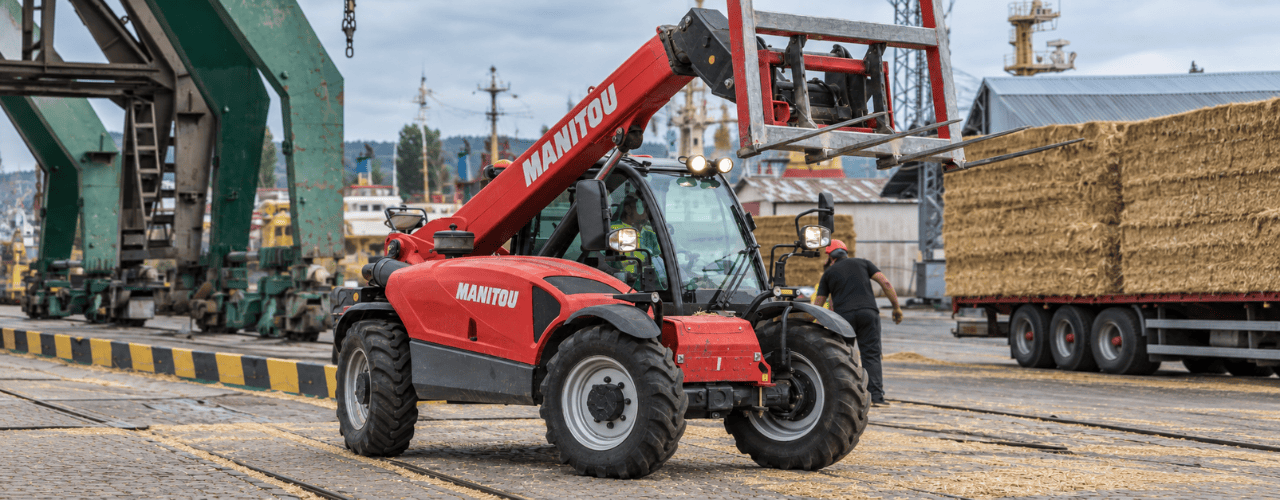
When Does Manitou Forklift Hire Suit a Mixed-Use Site?
Blog
If your operation moves materials between a warehouse, loading bay and yard, the question is...
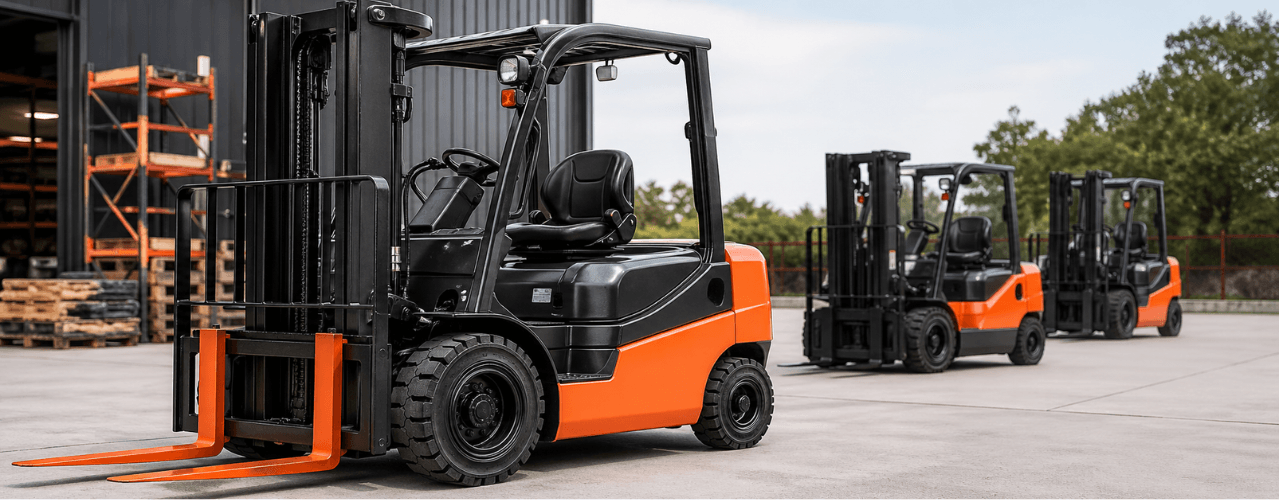
If you’re choosing between two machines and one costs £5,000 less upfront, it’s tempting to go with the cheaper option. But that decision often costs more over time. The real question is simple: how much of that money do you get back when you sell? Bobcat fork lifts consistently return a higher percentage of their original value than many lower-cost alternatives. For operations planning a 5–7-year lifecycle, that retained value can outweigh the initial price difference and directly reduce total ownership cost. Glosrose has supported industrial equipment fleets since 1976, and we regularly assess trade-ins across the South East. The pattern is clear. Well-maintained Bobcat fork lifts hold their value, and that changes how procurement decisions should be made.
Bobcat fork lifts perform strongly on the secondary market because they are built to handle sustained, heavy use. Buyers trust that durability, which keeps demand steady and resale prices stable. After five years of standard use, many operators recover a significant portion of their original investment. That return is not accidental. It reflects how these machines perform under pressure in real working environments like distribution centres, construction sites, and commercial settings. When a fleet manager knows a machine will retain value, it becomes easier to plan upgrades. You are not starting from zero when replacing equipment. You are recycling capital from your existing fleet into the next one.
Bobcat fork lifts remain a reliable long-term investment because they combine uptime with resale strength. Daily reliability matters. When a machine fails, the cost is immediate, missed picks, delayed loading, and idle staff. Consistent performance reduces those disruptions and keeps operations predictable. From a financial perspective, the benefit shows up later. A well-maintained machine with strong residual value offsets the cost of replacement. That makes budgeting easier and reduces pressure when planning fleet renewals. Working with a supplier who supports preventative maintenance plays a direct role here. Regular servicing protects both operational performance and future resale value.
Two factors have the biggest impact: service history and operating hours. Buyers want evidence that a machine has been maintained properly. A complete service record shows that inspections, repairs, and part replacements have been carried out on schedule. Without that documentation, confidence drops and so does the offer price. Operating hours tell the second part of the story. A machine running single-shift indoor work will hold value better than one used continuously in harsher conditions. If you want to protect resale value, the approach is straightforward. Keep detailed records, stick to a maintenance schedule, and track usage accurately.
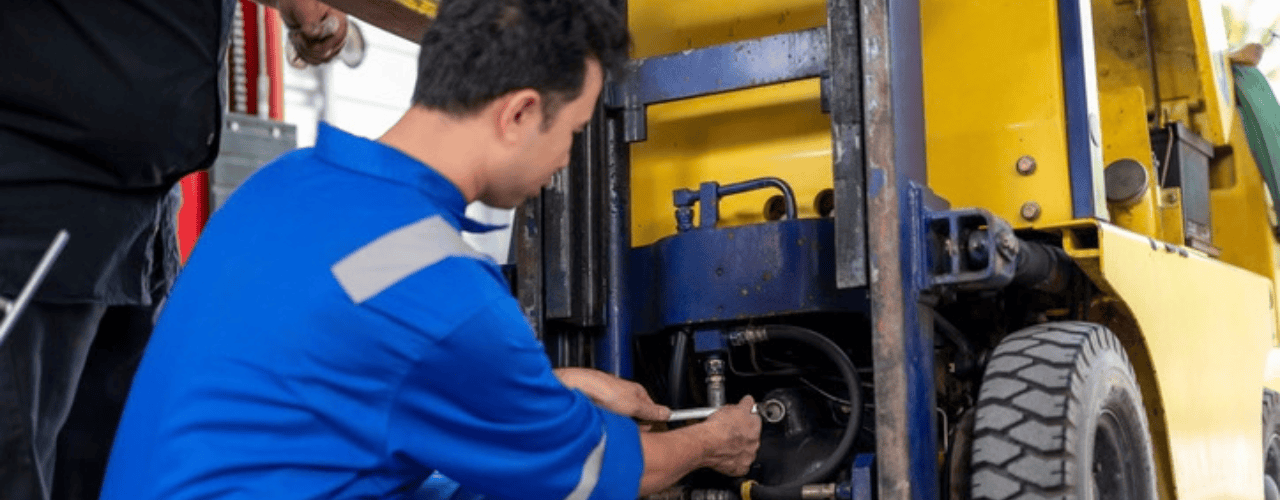
Maintenance history removes uncertainty for the next buyer. A machine with a documented service record signals that it has been looked after and is less likely to carry hidden issues. That reassurance allows buyers to pay closer to market value rather than discounting for risk. Simple actions make a difference here. Scheduled fluid changes, proactive part replacement, and regular inspections prevent wear from escalating into larger problems. For operators, this is not just about resale. It also reduces unexpected downtime during ownership. You avoid reactive repairs and maintain consistent performance across your fleet.
Where and how a machine is used has a direct impact on how quickly it loses value. Bobcat fork lifts used in clean indoor environments tend to retain their condition longer. External components stay intact, and there is less exposure to moisture, dust, and chemicals. Machines operating outdoors face a different reality. Rain, debris, and site conditions accelerate wear. Seals degrade faster, metalwork corrodes, and cosmetic condition declines. That does not mean outdoor use should be avoided. It means maintenance needs to match the environment. Regular cleaning, inspections, and protective measures help limit long-term damage and preserve resale value.
Depreciation follows a predictable pattern when usage is consistent. In the first year, Bobcat fork lifts typically lose around 15% of their value. After that, depreciation stabilises at roughly 10% per year under standard operating conditions. Usage changes that curve. Machines running extended hours or multiple shifts will depreciate faster. Lower-use equipment retains value for longer. Accurate forecasting depends on understanding your workload. Matching machine specification to actual demand prevents overuse and protects long-term value.
Current trends suggest stable resale conditions for Bobcat fork lifts. Demand for reliable used equipment remains high as businesses balance capital expenditure with operational needs. Many buyers prefer approved used machines that can be deployed quickly without the lead times of new equipment. This demand supports resale values, especially for machines with strong service records and moderate usage. For fleet operators, timing matters. Selling before excessive hours accumulate helps secure stronger returns and keeps your equipment within the most desirable range for buyers.
Maximising resale value comes down to presentation, documentation, and timing. Start with service records. Complete, organised documentation removes friction during valuation and strengthens your negotiating position. Address minor issues early. Small hydraulic leaks, worn seating, or cosmetic damage can reduce perceived value if left unresolved. Presentation also plays a role. A clean machine signals care and attention, which influences how buyers assess condition. Finally, ensure compliance documents are current and available. This allows the next owner to put the machine straight into operation, which increases its appeal.
Pricing varies based on age, specification, and usage. Newer machines with low hours command higher prices, particularly in busy logistics areas where demand is strong. Older units provide a cost-effective option for businesses with lighter or less frequent handling needs. Local demand also affects pricing. In regions like Kent, where warehouse expansion and distribution activity remain high, competition for reliable equipment supports stronger resale values.
Trade-in value depends on how easily a dealer can resell the machine. Assessors focus on condition, service history, and expected reconditioning costs. A well-maintained machine with minimal required work will receive a stronger offer. Trade-ins offer a practical route for upgrading equipment. They reduce the time and complexity involved in private sales and provide immediate value that can be reinvested into new machinery. For many businesses, this is the most efficient way to refresh a fleet without disrupting operations.
Selling privately can take time and introduce uncertainty. Arranging viewings, negotiating with buyers, and managing transport all add complexity. Working with a specialist simplifies the process. A structured valuation, clear offer, and managed logistics reduce delays and keep your operation focused on its core work. For businesses planning upgrades, this approach keeps transitions smooth and avoids unnecessary downtime.
Most operations benefit from replacing primary equipment every five to seven years. This window balances reliability with resale value. Machines remain productive while still retaining enough value to support the next investment. Extending beyond this period increases the risk of major repairs and reduces resale potential. Costs become less predictable, and downtime becomes more likely. Regular fleet reviews help identify the right moment to upgrade based on usage and condition.
Contract hire removes the uncertainty of depreciation. Instead of managing resale and asset value, businesses pay a fixed monthly cost that includes maintenance. This keeps budgeting predictable and avoids tying up capital in equipment. For growing operations, this can free up cash for other priorities while ensuring access to reliable machinery.
Preparation has a direct impact on valuation. Ensure service records are complete and accessible. Gather compliance certificates and confirm they are up to date. Inspect key components such as forks and mast condition to identify any issues early. Fixing minor problems before valuation often leads to a better offer. It also avoids last-minute negotiations that reduce your return.
If you’re planning to upgrade your fleet, contact the team today to see exactly what Bobcat fork lifts could provide for your business.
Not sure what you are looking for or need some advice for your requirements? Get in touch with us today and a member of our experienced team will be more than happy to help answer your questions.