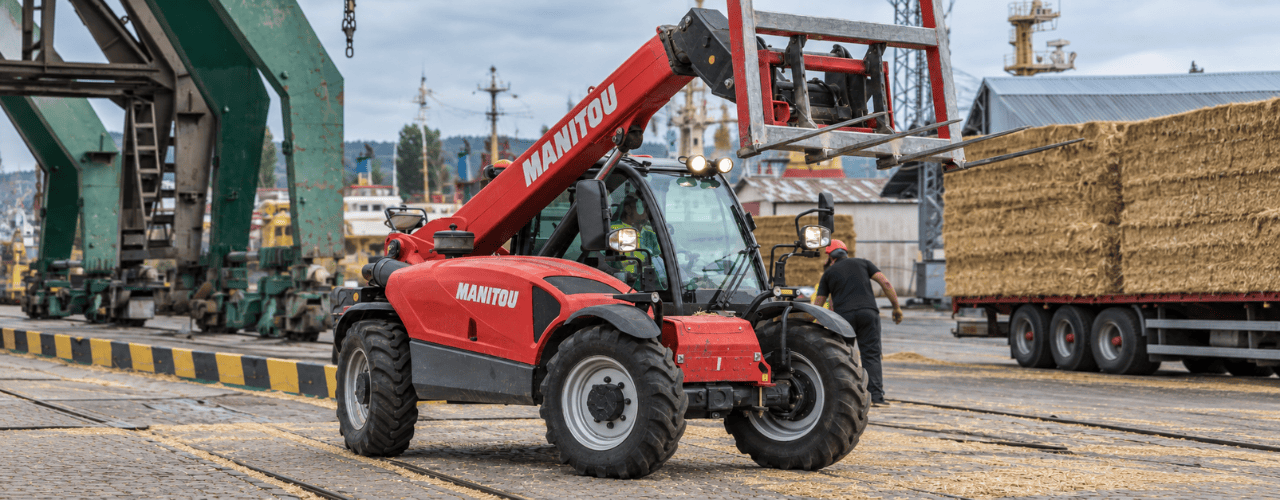
When Does Manitou Forklift Hire Suit a Mixed-Use Site?
Blog
If your operation moves materials between a warehouse, loading bay and yard, the question is...
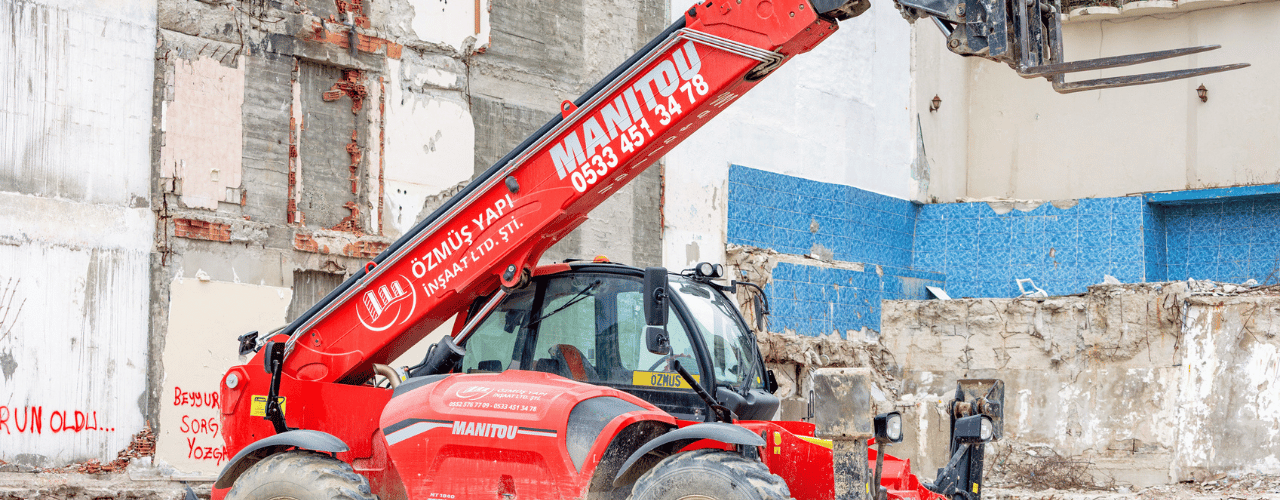
When yard space runs out, operations feel the pressure quickly. Stock density becomes harder to manage, long loads slow daily movements, and every extra turning metre starts eating into usable storage space. Many operations managers first think about expanding the yard, but that route is expensive and disruptive.
Buyers often start by comparing a Manitou telehandler with other material handling options when space becomes tight. That is a sensible starting point. The bigger question is whether a telehandler is the right answer for the yard you have now, or whether a Combilift forklift would solve the problem more efficiently inside the existing footprint.
Buyers usually prioritise space efficiency, lift capacity, handling suitability, and return on investment when comparing a Manitou telehandler with other types of plant. In a tight yard, that comparison quickly becomes less about brand preference and more about which machine wastes the least space while keeping stock moving.
A telehandler may handle lift height and general yard work well, but the turning circle still affects layout. That is why many operations managers widen the comparison beyond telehandlers and start looking at machines designed for narrow aisles and long loads.
Yard expansion is expensive and disruptive, and it often brings long planning delays with it. Groundworks restrict access for delivery drivers and tie up capital that could be spent on improving movement inside the current site boundary.
Pouring fresh concrete and knocking down walls disrupts daily loading, stock movement, and vehicle access while the work is happening. That creates pressure on pick rates, turnaround times, and customer service. Before committing to that kind of disruption, many businesses are better off checking whether a different machine could unlock more space inside the current boundary. That is where we can step in with practical site advice before you commit to groundworks and layout changes.
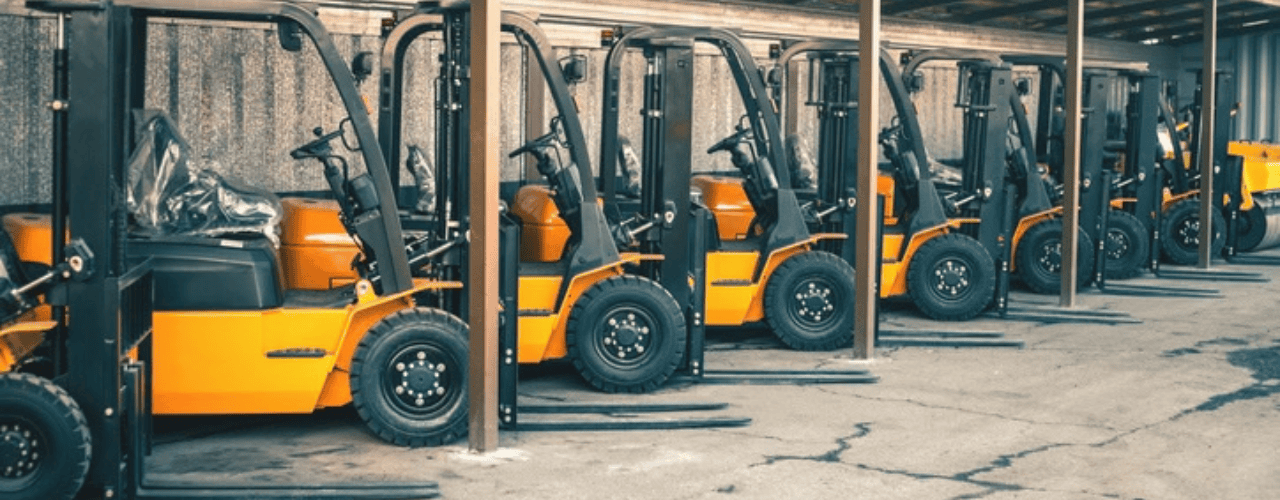
A Combilift forklift improves storage density by moving sideways down narrow aisles and cutting out the need for wide turning circles. That lets yard managers pack stock closer together and reclaim ground without waiting for site expansion work.
Traditional counterbalance machines require much more room to manoeuvre long materials safely. Standard units move forward and backward, but multi-directional machines can travel sideways down tight aisles, which changes how much space the yard needs to give up to turning. You can store more timber lengths or steel bars in the same footprint by changing how the truck enters the racking.
The gain comes from layout efficiency. Operators can move long loads through tighter aisles instead of swinging them across open yard space, and that lets businesses reclaim storage capacity without changing the yard boundary. In the right setting, a Combilift forklift can solve the space problem more directly than a telehandler. That is where we help buyers review the layout, match the machine to the yard, and decide whether sales or hire is the better fit.
Investing in better plant equipment involves more predictable costs and faster operational gains than groundworks. Machinery upgrades let businesses increase stock-holding capacity without taking on the same level of disruption or uncertainty.
Groundworks often bring cost uncertainty, delays, and disruption that are difficult to control at quote stage. By contrast, purchasing or organising Combilift forklift hire gives the business a more predictable cost and a faster route to improving yard movement.
A machine starts changing daily movement as soon as it is on site. When buyers compare a Manitou telehandler with specialised narrow-aisle equipment, the real question is which option solves the space problem with the least financial risk and the least disruption.
Long loads slow down movements because standard machines must carry materials crossways, demanding excessive clearance to avoid striking obstacles. Operators are forced to travel at walking pace and halt other activities to navigate long steel beams through heavily congested working yards safely.
When materials span six metres across the forks, every corner becomes a risk point. The driver has to reverse, edge forward, and guide the load carefully past racking and vehicles. That slows movement and increases the space needed around the truck.
One of the biggest gains comes from changing how the load travels. When the machine carries the product in line with the chassis, operators can move through tighter spaces more smoothly and load vehicles faster.
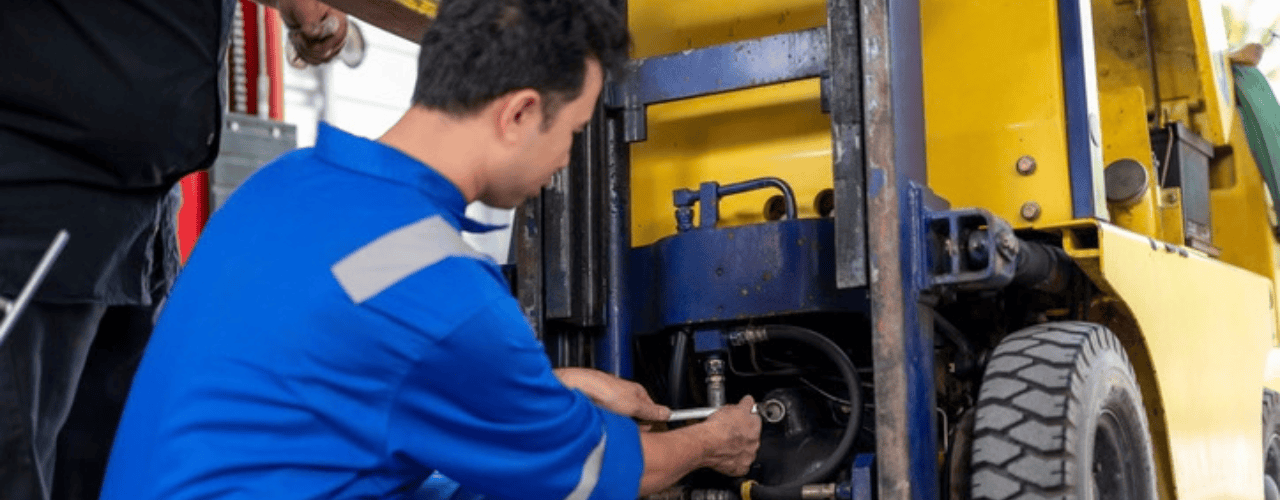
Local engineering support protects operational continuity by reducing the time between a fault appearing and a technician reaching site. In a tight yard, one machine out of action can slow loading, block movement, and create a bottleneck very quickly.
That is why support matters as part of the buying decision. If a business is comparing a Manitou telehandler with a Combilift forklift, it should also compare how quickly engineers can attend, how parts are supplied, and how much downtime the supplier can realistically prevent.
If reliability is part of the decision, speak with us before you choose the machine. We can advise on product sales, hire, and servicing based on how your yard actually works.
Buyers looking at used equipment should focus on service history, maintenance records, and whether the supplier has checked the lifting gear properly before delivery. A good used machine can improve yard capacity at a lower upfront cost, but only if the supplier can match the unit properly to the site and support it after purchase. We can help buyers review used equipment options through product sales and avoid forcing the wrong machine into the wrong yard.
Timber and steel merchants handle awkward stock profiles that quickly expose the limits of general-purpose plant. The more varied the load shapes, the more important it becomes to choose a machine that can move long materials cleanly through the available space.
Hiring makes sense when the business needs to preserve working capital or improve capacity without committing to a full purchase straight away. It also gives operators a chance to test a different handling method before making a long-term decision.
For yards under immediate pressure, short-term hire can be a practical way to increase capacity quickly while keeping financial risk under control.
If yard space is starting to restrict stock density and daily movement, the first step is to review whether the machine is the problem or the layout. Speak with the Glosrose team about Combilift forklift sales, hire, and practical site advice before committing to costly expansion work.
Not sure what you are looking for or need some advice for your requirements? Get in touch with us today and a member of our experienced team will be more than happy to help answer your questions.