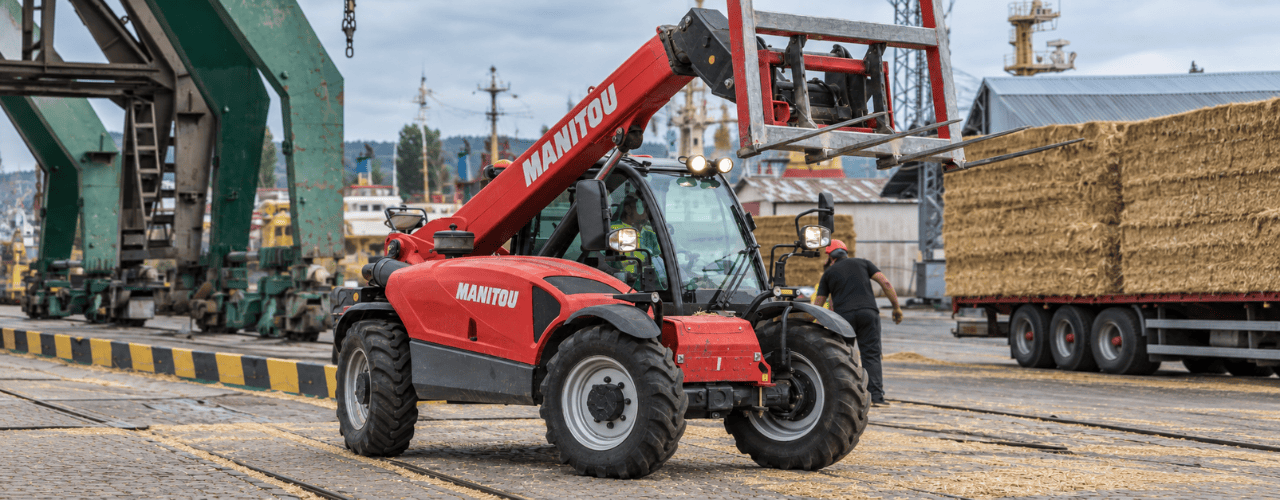
When Does Manitou Forklift Hire Suit a Mixed-Use Site?
Blog
If your operation moves materials between a warehouse, loading bay and yard, the question is...
The cheapest forklift quote can cost more later when servicing slips or engineers are slow to respond. Downtime then starts affecting the site. For people running warehouses, facilities, or equipment buying, that makes supplier standards just as important as equipment price. In forklift sales, accreditations such as UKMHA membership, a recognised industry membership for material handling suppliers, SafeContractor approval, and ISO 9001 give buyers a clearer way to judge whether a supplier has the systems and engineering support to keep things running properly when the site is under pressure.
Warehouse managers benefit from accredited fleet partners. Those partners can support compliance and cut costly downtime. Certifications matter when they show that a supplier works to clear safety standards and can back them up with real engineering support. That becomes important when a hired truck needs attention quickly or when an inspection date is getting close and the site is already under pressure.
People buying equipment know they are also buying the supplier’s ability to keep servicing, inspections, and support under control once the truck is on site. In forklift sales, that matters. Weak aftercare quickly becomes a site problem. We use these standards to keep servicing and routine inspections on schedule, so managers are not left chasing dates, paperwork, or engineer updates themselves.
UKMHA membership protects site operations through recognised codes of practice for material handling suppliers. That gives customers a clearer sign that the supplier follows recognised standards and runs support in a more controlled way. It matters when a truck needs servicing, a record needs checking, or a machine has to stay available through a busy period.
Adding a new machine means committing to a proper maintenance schedule. A UKMHA member company should be able to respond when a part fails during a busy shift, not log a ticket and leave the site waiting. That is where local engineers and disciplined support start to matter.
ISO 9001 matters when a supplier can point to documented processes and consistent quality controls. In practice, that lets site managers find service records quickly, follow a clearer paperwork trail, and explain what work has already been carried out. It does not replace engineering skill or fast response, but it does show that the supplier has a structured way to manage documents and keep support standards consistent.
Long-term support matters in forklift sales. Lifting equipment needs ongoing servicing to stay legal and safe to use. Buyers need a supplier that can handle routine fault checks, urgent repairs, inspection work, and parts without passing them between different departments.
Buying the machine is only the start. We combine equipment sales with scheduled inspections and replacement parts through one point of contact, which cuts down admin and helps stop small issues turning into larger delays. For many buyers, that is where we stand apart, with forklift sales, support, and aftercare sitting in one place.
If you are reviewing forklift suppliers before your next hire or servicing decision, speak with us before slow support, missed inspections, or weak aftercare start affecting the site.
Local engineering support keeps downtime under control. When a supplier can send a technician quickly, warehouse staff have a better chance of keeping work on track.
Slow communication creates daily admin stress for facilities managers. When maintenance requests go unanswered, delays spread across the site. If a machine breaks down, you need to speak directly to our local team and get a technician moving, not wait in a national call queue.
Accredited equipment hire keeps sites compliant and keeps maintenance under control. Proper servicing records and routine lifting inspections help site managers keep machinery safe to use, and they give customers confidence that the paperwork, condition, and inspection status will stand up to scrutiny.
A low hire rate does not help much if the machine turns up with weak records, slow backup, or no clear plan for ongoing support. We manage our contract hire fleet to the same standards as our fleet sales, with servicing and planned engineer visits arranged around your operating hours.
Supplier accreditations strengthen site compliance by supporting a more structured approach to maintenance and safety checks. SafeContractor shows that an external body has assessed the supplier against health and safety standards, which reduces gaps between what the site expects and what the supplier delivers.
Warehouse managers cannot ignore statutory lifting inspections. Lifting equipment must meet PUWER and LOLER rules to stay legal and safe to use. We handle LOLER inspection support as part of a wider fleet compliance service, track inspection dates, and arrange visits around your operating schedule. A consistent documentation process keeps paperwork accurate and easy to find when managers, auditors, or customers ask for it.
Buyers should ask their next supplier about engineering response times, planned maintenance schedules, and who actually handles support after delivery. In forklift sales, those questions matter as much as headline price. They help businesses filter out suppliers who look competitive at quote stage but become hard work once support is needed.
Ask how the supplier handles faults during a busy warehouse shift. Confirm whether they hold active UKMHA membership and what that means in practice. Ask whether forklift sales include LOLER preparation, who tracks inspection dates, and who provides records when customers or managers request them.
Site managers usually judge supplier standards after delivery. They want records quickly and a clear answer on who is handling the problem when inspection dates are due or equipment goes down.
Lifting equipment usually needs a LOLER inspection at least every 12 months. Equipment that lifts people usually needs a LOLER thorough examination every 6 months. A good supplier should already be tracking these dates and booking qualified engineer visits, not leaving the site to remember them at the last minute.
We build LOLER inspection support into your routine servicing contract, which cuts admin and stops inspection dates drifting under pressure.
Hiring equipment gives businesses flexibility and predictable monthly costs. Contract hire removes the large upfront cost of buying while keeping the fleet modern. It also means support, servicing, and breakdown response sit under one agreement instead of being chased separately later.
Equipment hire works well for seasonal fulfilment peaks or longer-term changes in workload. We supply contract hire that keeps the fleet running during busy periods, when extra downtime hurts most.
A reliable engineering response time depends on local engineer coverage and direct communication. Dedicated regional technicians can send help quickly without layers of delay. That kind of support matters most when a truck drops out mid-shift and the site cannot afford to wait around for updates.
We avoid the layers of admin often found in large national suppliers. We focus on direct personal support and clear lines of communication. A local engineer arriving promptly on site is the clearest proof that a supplier can actually support the fleet, not just quote for it.
Your site can secure a reliable equipment partner by choosing an accredited supplier with proven local engineering support. If you are comparing suppliers now, review how they handle forklift sales, hire, and servicing before you make a decision. Check how quickly support can reach site and how inspections and paperwork are handled once the machine is in use.
When site managers keep lifting machines documented and back them with local engineers, they spend less time dealing with avoidable problems. You need a supplier that can provide dependable equipment and servicing support when a truck drops out and the site still has work to move. That is what we aim to provide through our forklift sales, hire, servicing, and local engineering support. If you want to review your current support standards or talk through your next forklift sales, hire, or servicing requirement, speak with the Glosrose team.
Not sure what you are looking for or need some advice for your requirements? Get in touch with us today and a member of our experienced team will be more than happy to help answer your questions.