Handling 5-Tonne-Plus Loads? How to Choose the Right Bobcat Forklift
Blog
A 5-tonne load does not automatically mean a 6-tonne forklift is suitable. Bobcat lists the...
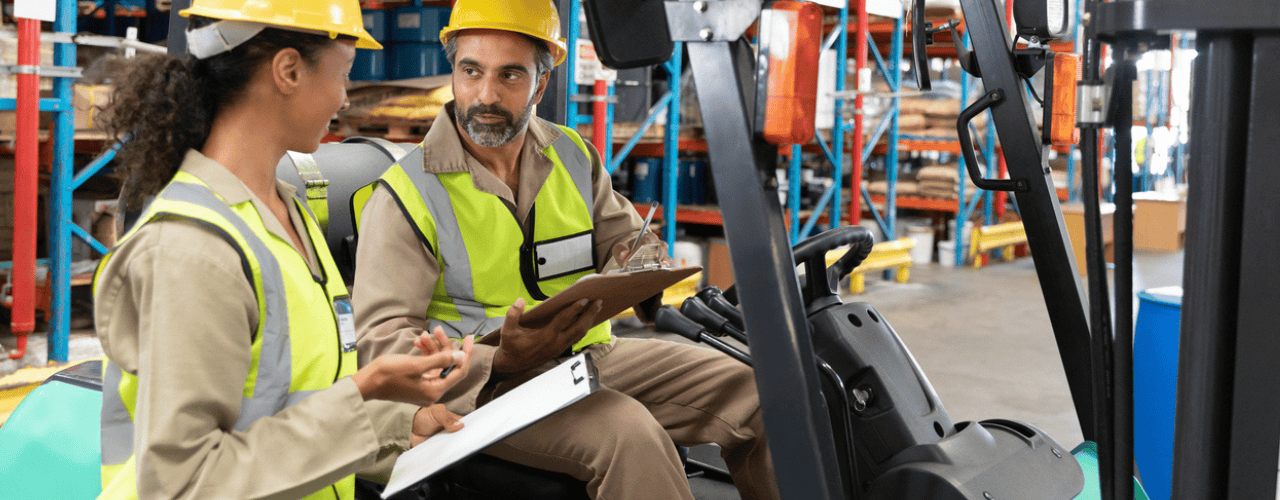
A forklift can have enough capacity for the load and still be wrong for the site. A low doorway, tight turning space, damaged yard surface or unsuitable charging point can prevent the truck from completing the work.
The most useful starting points are the heaviest load, highest lift, lowest clearance and narrowest aisle. Surface conditions, operating hours and attachment details also help us review the truck, mast and power requirements.
We provide short-term forklift hire and longer-term contract hire across Kent and the wider South East. Once we understand the load, route and working pattern, we can discuss equipment suited to the site, subject to availability.
Planning forklift hire in Kent? Share your load weight, lift height, tightest clearance and expected hire period with us. We can review the details and discuss suitable hire options.
The heaviest and longest load should form the basis of the enquiry, not only the standard pallet used for most of the shift. An occasional long stillage, irregular component or heavier pallet can determine the truck capacity required.
The main details include:
A forklift’s stated capacity is based on a set load centre and lift height. Load centre is the horizontal distance between the fork face and the load’s centre of gravity. A longer load moves the centre of gravity forward, which can reduce the weight the truck can lift safely.
Attachments also affect capacity. Clamps, sideshifts and fork extensions add weight and may move the load centre further forward. Details of the full load and attachment allow us to review the complete truck configuration from the start.
Lift height is only part of the mast decision. The forklift also needs to pass through the lowest doorway, canopy, beam or overhead service along the route.
Measurements are most useful when taken along the actual line of travel. A doorway may appear clear at its centre but still have pipework, a raised threshold or a sloping approach that reduces the usable height.
A few clear photographs can help. An image showing the doorway, the approach and a visible tape measurement often gives us more reliable information than an estimated clearance.
The mast needs to provide the required lift height while remaining low enough when collapsed to clear the site’s access points.
The route review should cover the full journey from the delivery point to the loading, storage or production area. The narrowest access point, lowest overhead restriction and most difficult surface are the details most likely to change the truck specification.
Useful checks include:
The tightest point is not always the aisle itself. A column, guard rail or stack of goods may restrict the turn into it. The route can also become narrower during a normal shift as pallets, parked vehicles or incoming stock occupy the available space.
A simple sketch and a few photographs are normally enough to give us useful context. The delivery point, working area, ramps, changes in direction and narrow sections are the main details to mark.
Surface information should cover changes between smooth warehouse concrete, external hard standing, loading dock plates, thresholds, gradients, damaged ground and wet areas. A short section of broken concrete can influence the truck and tyre choice, even when most of the route is level.
Pedestrian doors, walkways, crossings, blind corners and shared loading areas should also appear on the plan. Traffic management remains the responsibility of the site operator, but this information helps us review how the proposed machine will fit within the available route and controls.
Not certain which measurements could affect the truck choice? A few photographs and basic site dimensions can give us a useful starting point. Contact our team to talk through the route before requesting a quote.
The choice becomes clearer once we know where the truck will work, how long it needs to run and what charging or refuelling facilities are available.
Electric forklift hire
For electric forklift hire, the main points are:
Battery and charger requirements vary between models. Once the working pattern and likely truck are known, we can confirm the relevant charger and supply requirements.
The proposed charging position should remain clear of fire exits, pedestrian routes and loading lanes. The truck also needs straightforward access to the charger without disrupting the operation.
Diesel forklift hire may suit external yards and demanding industrial work. The time spent indoors, available ventilation, yard surface, refuelling arrangements and any emissions or noise restrictions should be discussed before the truck is selected.
A truck operating outside for most of the shift presents a different requirement from one regularly moving into an enclosed warehouse.
LPG can suit some mixed-use sites. Ventilation, cylinder storage, changeover arrangements and the indoor-to-outdoor usage split will help us assess how well it fits the work.
The power source should reflect the task and the facilities already available. This avoids a truck arriving with charging, fuel-storage or ventilation requirements that the site cannot support.
The power source does not need to be decided before the first enquiry. Details about the working area, shift length and available facilities will help us narrow the options.
Before delivery, we can confirm which inspection records accompany the truck, who manages servicing during the hire and how faults should be reported.
The main points to clarify are:
Servicing keeps the truck maintained, while Thorough Examination checks lifting and safety-related components at the required intervals.
The Lifting Operations and Lifting Equipment Regulations, known as LOLER, cover lifting equipment. The Provision and Use of Work Equipment Regulations, known as PUWER, cover other safety-related parts of industrial lift trucks, including brakes, steering and tyres. Preventive maintenance and scheduled servicing do not replace a Thorough Examination.
The relevant records should remain with the site’s equipment documentation throughout the hire period.
Our engineering and parts teams support hired equipment and can clarify servicing, inspection and defect-reporting arrangements before the hire begins. More information is available on our servicing and maintenance page.
A trained operator may still need time to become familiar with a different truck. Controls, visibility, steering response and capacity information can vary between models. An attachment may also change the way the machine handles and the operator’s view of the load.
Lift-truck operator training generally covers basic training, specific job training and familiarisation. Familiarisation allows the operator to apply their training under normal working conditions.
Before the first shift, the operator should understand:
The delivery handover should also establish who will receive the truck, where it will be unloaded and who is authorised to release it for work. That gives both teams a clear process when the transport vehicle arrives.
A useful first enquiry should include:
Photographs can help where a clearance, surface or turning area is difficult to describe. Where a measurement remains uncertain, we can explain what still needs checking before recommending a truck.
Realistic operating hours are useful because they influence battery or fuel requirements, servicing plans and the type of truck suited to the workload.
Early contact gives us more time to compare the required capacity, mast, power source and attachment with fleet availability.
Once we receive the load, lift height, access and operating information, we review the requirement with you. Additional measurements or photographs may be useful where access is tight or the load is unusual.
We can then discuss the truck type, mast, power source and attachment options available for the work. Transport, hire terms and pricing will depend on the final specification, hire period and fleet availability.
This process gives both sides a clear understanding of the job before the equipment is arranged.
Send us your forklift hire requirements to start the conversation.
As a family-run, multi-brand equipment business, we provide short-term forklift hire and contract hire across Kent, Maidstone and the wider South East.
Our hire range covers diesel, LPG and electric counterbalance forklifts, reach trucks, telehandlers, access platforms and scissor lifts. Our in-house engineers and parts operation support the equipment throughout the hire period.
The load weight, lift height, tightest clearance, working surface and hire period give us a clear basis for reviewing the available options. We can then discuss equipment suited to the job and site, subject to availability.
Need forklift hire in Kent? Send us your load, access and hire details to request a quote, or explore our forklift hire options.
The main details are the site postcode, proposed hire dates, maximum load weight, full load dimensions and required lift height. Aisle widths, doorway clearances, surface conditions, operating hours and attachment requirements will also help us assess the job.
The measurement should cover the highest point the load must reach, including the pallet or stillage. The lowest overhead clearance along the route is equally useful because both figures affect the mast choice.
Some trucks can cover both areas. The appropriate specification will depend on the surfaces, gradients, ventilation, operating hours, tyre requirements and the proportion of time spent in each environment.
Familiarisation may be needed when the truck type, controls, attachment or handling characteristics differ from the equipment the operator normally uses. The site briefing should also cover routes, pedestrian areas, pre-use checks and defect reporting.
Not sure what you are looking for or need some advice for your requirements? Get in touch with us today and a member of our experienced team will be more than happy to help answer your questions.