Warehouse growth does not automatically mean you need more forklifts. What matters is whether the work has changed enough that the fleet you already have no longer matches the operation. Higher throughput, longer shifts, different loads, altered racking or new travel routes can all change what your trucks are being asked to do.
That distinction matters because the right response is not always another truck. A growing warehouse may need more capacity, a different forklift specification, replacement of one machine, or a different mix of equipment across the fleet.
If your operation has changed, you do not need to decide which forklift to buy before speaking to us. Glosrose can help review the current requirement, discuss suitable equipment across multiple manufacturers and guide you through relevant forklift sales options, including new and used equipment where purchasing is the right next step.
What Are the Signs Your Warehouse Has Outgrown Its Forklift Fleet?
- Existing trucks are increasingly being used for duties they were not originally specified for.
- Load weights, dimensions or handling requirements have changed.
- Racking, routes or available working space have changed how trucks need to operate.
- Congestion or repeated task mismatches suggest the current fleet mix may no longer suit the workflow.
These signs do not automatically mean the warehouse needs more forklifts. They are reasons to reassess what the operation now requires before committing to additional equipment.
Do Higher Throughput and Longer Shifts Mean You Need More Forklifts?
Not necessarily. Higher throughput or longer shifts can mean more capacity is needed, but they can also expose a mismatch between the existing trucks and the duties the warehouse now requires. For warehouse teams considering forklift sales as demand grows, the key question is whether the current fleet still fits the work.
Look at how the operation has changed in practice. Sustained growth may mean particular trucks are covering additional duties, working across different areas or handling tasks that were not part of the original requirement. In that situation, the issue is not only how many trucks are available, but whether the current specification still fits the work.
If the main question is how many trucks the warehouse needs overall, our blog on how many forklifts a warehouse actually needs covers fleet utilisation in more detail.
Can Different Loads Make Your Current Forklifts Unsuitable?
Yes. If load weights, dimensions or handling requirements have changed, a forklift that suited the previous workload may no longer suit the current one. New customers, product lines or suppliers may introduce heavier loads, different pallet sizes, longer items or handling tasks that were not part of the original fleet specification.
That can change the equipment requirement even if the number of daily movements stays similar. Load weight, dimensions and the way goods need to be picked, transported or placed all matter when deciding whether an existing truck remains suitable for the task.
If the loads have changed, avoid assuming the current fleet is still the right reference point. Reconfirm what needs to be handled and where it needs to go before comparing forklift sales options or simply ordering another version of the truck already on site.
How Can Warehouse Layout and Racking Changes Affect Your Forklift Fleet?
Changes to aisle widths, travel routes, storage positions or manoeuvring space can make a truck that suited the old layout less suitable for the warehouse today. New racking or revised storage zones can change how a forklift needs to work even when the building itself has not changed.
A truck that worked well with the previous layout may be less well matched once aisle widths, travel routes or storage positions change. The issue may be manoeuvrability, access to particular locations, or the amount of travelling required between tasks.
This is why layout changes should form part of a fleet review rather than being treated separately from the equipment decision. When comparing forklift sales for a changed warehouse layout, the truck still needs to suit the loads, the available space and the routes in which those loads are handled.
Can Adding More Forklifts Make Warehouse Congestion Worse?
Yes, in some operations. If the main problem is limited aisle space, overlapping travel routes or the wrong type of truck for a particular duty, adding another forklift can increase traffic without removing the bottleneck.
Congestion is therefore worth treating as a fleet-planning signal rather than automatic proof of insufficient truck numbers. Look at where it occurs and what the trucks are doing there. If several machines are competing for the same space, the better answer may be a different equipment mix or a change in how particular tasks are allocated.
This is one reason fleet growth should be reviewed at task level. More capacity can be useful when demand has genuinely increased, but additional equipment should still fit the available working space and the way goods move through the warehouse.
Should You Add, Replace or Change the Mix of Forklifts in Your Fleet?
The right answer depends on what has changed. You may need more capacity, a different specification, replacement of one machine or a different fleet mix:
- More capacity: The current truck types still suit the work, but sustained demand has increased.
- A different specification: Loads, layout or duties have changed enough that the existing truck type is no longer the best match.
- Individual replacement: One machine no longer suits the current requirement, while the wider fleet remains appropriate.
- A different fleet mix: The number of trucks may be adequate, but different equipment may be better suited to particular tasks.
Keeping these outcomes separate helps prevent a growth problem from being reduced to a simple headcount decision. It also gives procurement and operations teams a clearer basis for comparing forklift sales options against the work the warehouse now needs to complete.
If you are not sure which of these applies to your warehouse, speak to Glosrose before committing to another truck. Tell us what has changed in the operation and we can help review the requirement, compare forklift sales options and supply new or used forklifts where purchasing is the right next step.
What Type of Forklift Does a Growing Warehouse Need?
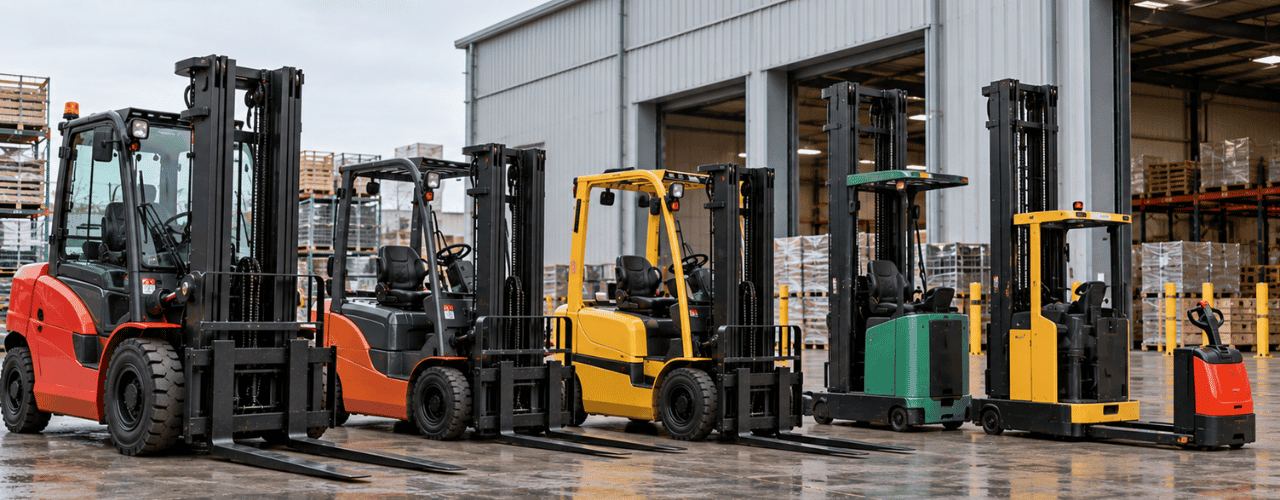
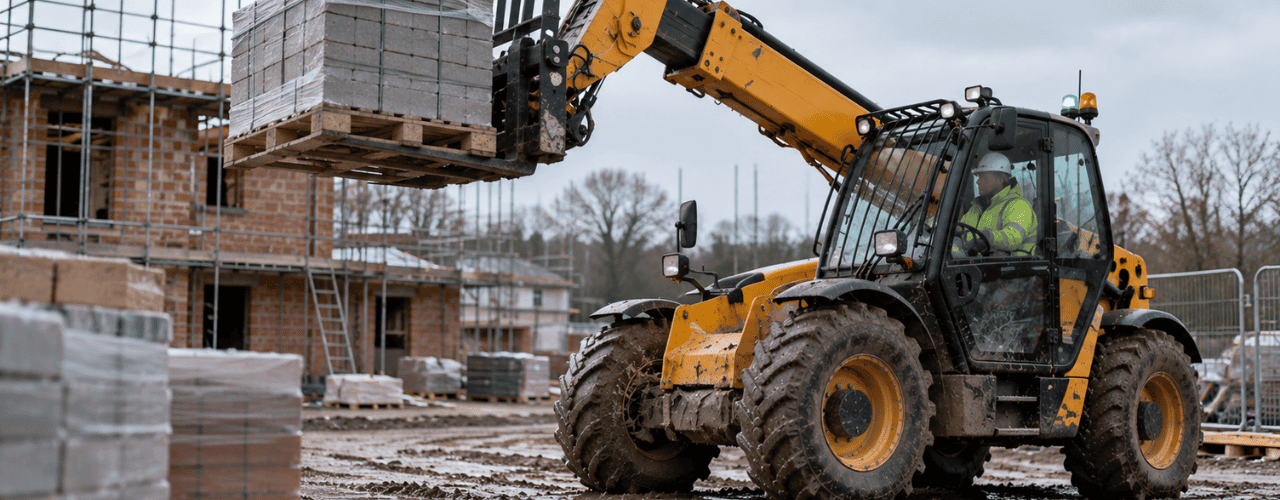
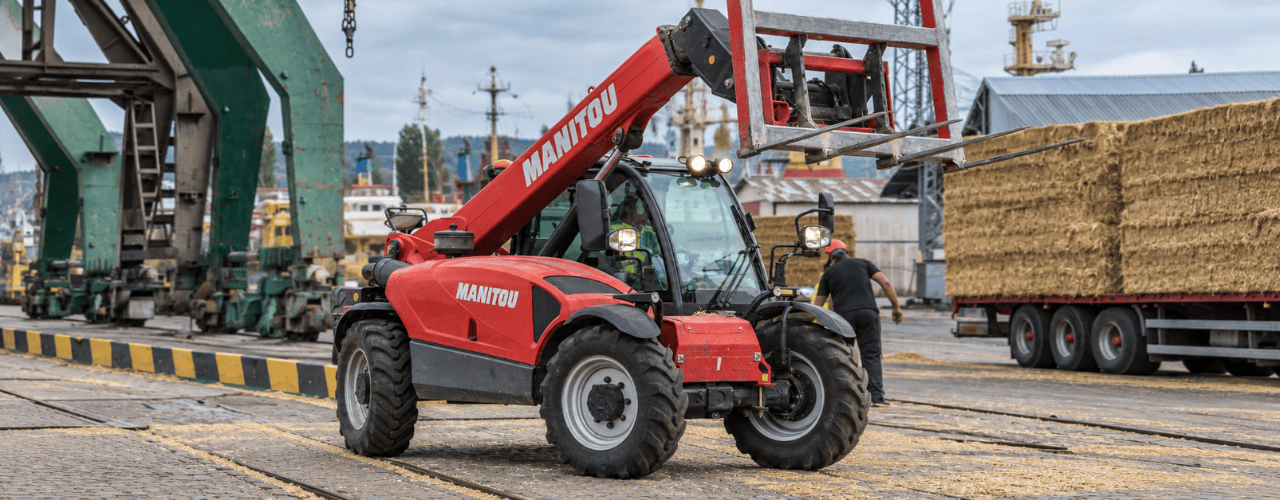
There is no single forklift type for a growing warehouse. The right choice depends on what has changed in the operation. A counterbalance forklift may still suit loading, unloading and general pallet movement, while tighter aisles or different storage arrangements can make reach trucks, articulated forklifts or other warehouse equipment more appropriate. Pallet trucks and warehouse stackers may also form part of the wider handling setup, depending on the movement, stacking and lift requirements.
This is where the mix matters. Adding another version of the truck you already own may not solve the problem if the new workload asks for different manoeuvrability, lift requirements or load handling.
Our forklift sales range includes reach trucks, articulated and multidirectional forklifts, warehouse stackers and pallet trucks across multiple manufacturers. This means the starting point can be the job rather than a single brand or truck type.
You do not need to decide which category or model is right before speaking to us. Tell us what needs to be moved, where the truck will work and what has changed in the warehouse. We can use those requirements to compare suitable forklift sales options, including new and used equipment where purchase is the appropriate route.
How Do You Choose the Right Forklift Fleet for a Growing Warehouse?
Start with what has changed in the operation, not with the number of trucks you already have. Loads, working space, routes, operating hours and the duties each machine performs give a better basis for deciding whether you need additional capacity, a different specification or a revised fleet mix.
If you are comparing forklift sales in Kent or across the South East, at Glosrose we can help you work through those requirements and compare suitable new or used equipment across multiple manufacturers. From a single replacement truck to a wider fleet requirement, our role is to help match the equipment to the work before supplying the solution. If your warehouse is changing, speak to our team about the forklift fleet it needs now.