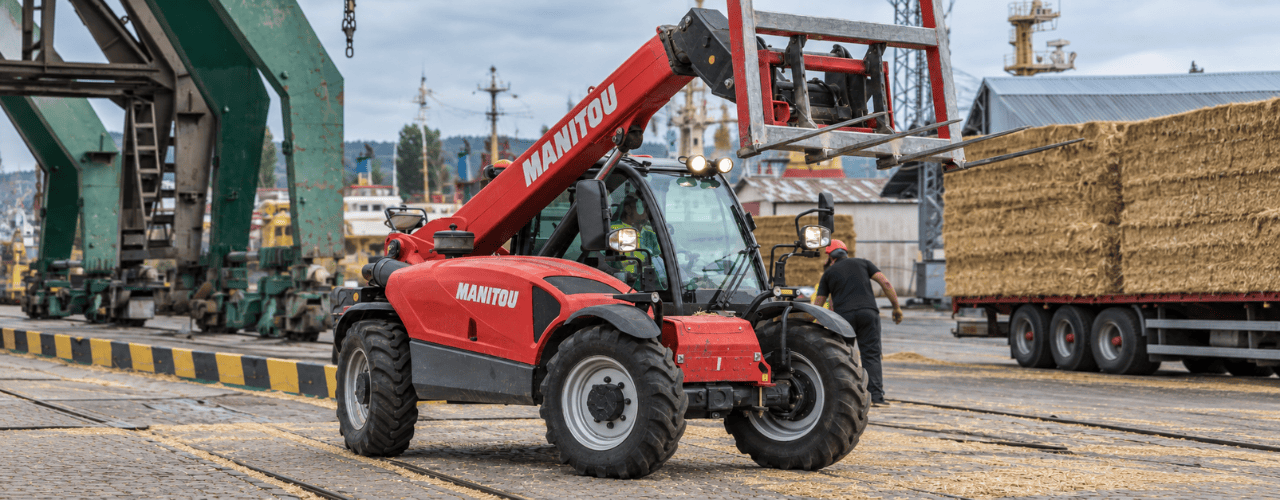
When Does Manitou Forklift Hire Suit a Mixed-Use Site?
Blog
If your operation moves materials between a warehouse, loading bay and yard, the question is...
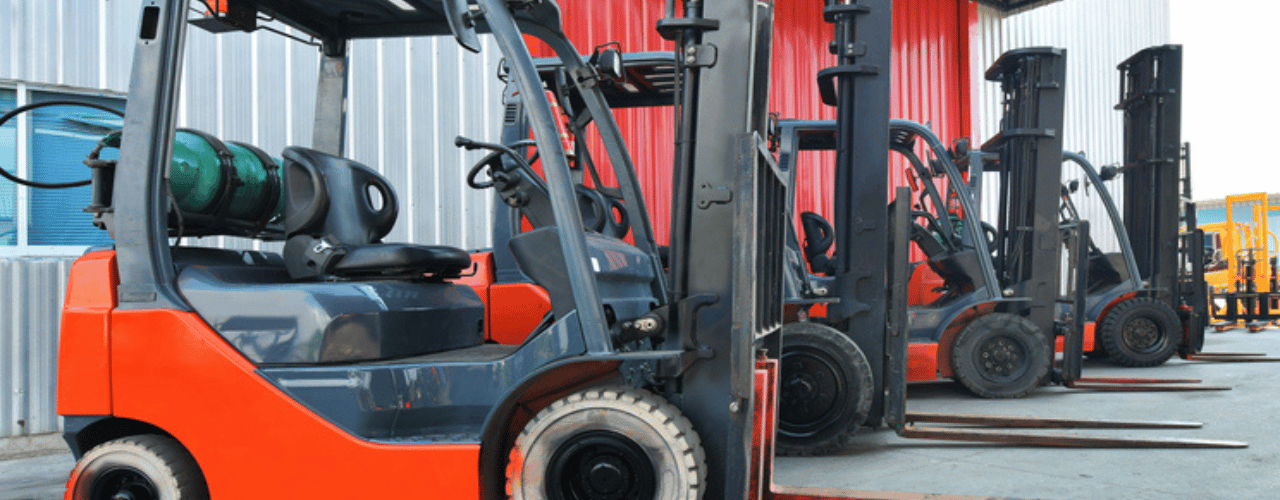
Warehouse size can provide a useful starting point when estimating how many forklifts your warehouse may need, but it should not be the only factor. Fleet size also depends on workload, how many trucks are needed at the same time, shift patterns, travel routes and the duties each forklift performs. Get that balance wrong and you may pay for underused equipment or leave operators short of trucks when demand is highest.
Around 10,000 sq ft: approximately 1 forklift
Around 50,000 sq ft: approximately 3 forklifts
Around 100,000 sq ft: approximately 5 forklifts
These are illustrative warehouse-size starting points, not an industry standard. Use these figures only as a rough planning illustration. Actual fleet requirements can move significantly depending on throughput, overlapping duties, shift patterns, travel routes, lift requirements and truck type.
Not sure what your warehouse needs? Tell us your warehouse size, operating hours, loads and shift pattern. At Glosrose, we have been a family-run mechanical handling equipment business since 1976, and because we work across multiple brands, we can use those requirements to consider the equipment that best fits the job. That could mean a different fleet mix, another truck for ongoing demand or short-term forklift hire for temporary peaks.
Start with the pallet or load movements that need to be completed, when demand overlaps and how long the relevant routes take. Travel distance, lift height, congestion and load type all affect how much work each truck can realistically complete. The existing fleet count is useful evidence, but it should not automatically determine the next fleet size.
Use available fleet records to test whether the operation is genuinely short of trucks or whether existing capacity is being used unevenly.
If you do not have a clear picture of how the fleet is being used, that is a useful place to start. We offer fleet management and live data services alongside servicing and maintenance support, helping you access information about your equipment and fleet requirements.
Low utilisation does not automatically mean you have too many forklifts, and high utilisation does not automatically mean you need another one. The important question is what role each truck plays during normal operations and recurring peak periods.
Look for operators waiting for trucks, equipment being borrowed between departments, one machine logging far more hours than comparable units, or repeated short-term forklift hire for predictable peaks.
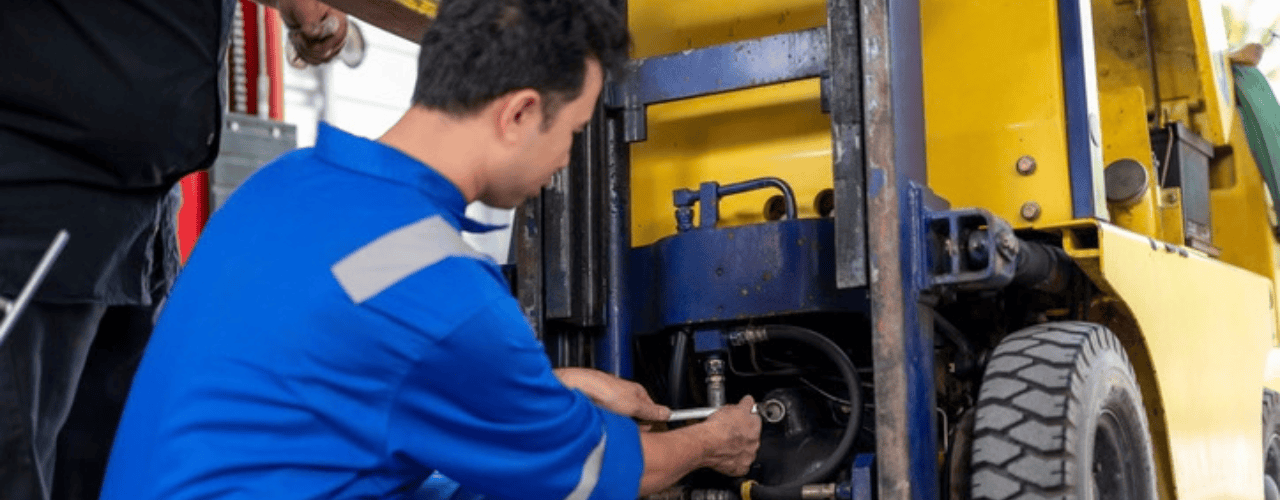
If breakdowns or downtime are creating an apparent capacity shortage, adding another forklift may not be the first answer. Our servicing, repair and parts support can help address availability issues within the existing fleet before additional permanent capacity is considered.
You may not need more forklifts at all. The problem may be the type or allocation of equipment. A counterbalance forklift can suit loading bays and general pallet handling, including electric counterbalance forklifts where the charging setup suits the duty. Reach trucks can suit high racking and narrower aisles. Powered pallet trucks suit horizontal movement, while articulated or multidirectional forklifts can address specialised space or long-load requirements.
If one forklift is regularly pulled from its normal duty to cover another area, check whether a better-specified truck could cover both requirements before adding another identical unit.
One truck cannot always cover several duties. Load capacity, lift height, aisle width, surface conditions, attachments, power source and operating environment still need to suit the work.
If the issue is the type of equipment rather than the number of trucks, we can look at the load, route, lift height and duty before considering suitable options across multiple brands. Because we are not tied to one manufacturer, the starting point can be the job the truck needs to do.
Before you add another permanent truck, check whether the pressure comes from day-to-day demand, the wrong allocation or a temporary peak. If you are unsure, tell us what is happening on site and we can help you work through the options.
Adding another shift does not automatically mean adding the same number of forklifts. Operating hours, charging or refuelling, servicing and duty intensity all affect whether the same truck can cover consecutive shifts.
For electric counterbalance forklifts and other electric warehouse forklifts, battery type and available charging time also matter.
Focus on how many suitable trucks are needed at the same time during normal operations, rather than multiplying the fleet by the number of shifts.
Short-term forklift hire can suit temporary demand that is not part of the warehouse’s normal workload. Seasonal peaks, projects or temporary disruption can then be covered without automatically adding another truck to the core fleet.
If that describes your operation, we provide short-term forklift hire for demand spikes, projects and breakdown cover. Where the requirement is ongoing, we can also discuss contract hire.
Long travel distances, congested routes and poorly allocated equipment can reduce the number of load movements each truck completes. Look for recurring bottlenecks and long transfers, as well as trucks queuing for the same route or equipment being used for duties it is not well suited to. Sometimes the truck count is wrong; sometimes the allocation is wrong.
Procurement and finance teams should be able to see why each permanent truck is required. Check which trucks are needed every shift, which duties need specialist equipment, where demand peaks and whether temporary requirements are being treated as permanent.
Maintenance and downtime matter too. An unreliable truck can make the operation appear short of capacity, while a lower-use machine may still provide essential specialist cover.
Instead of asking, “How many trucks did we have last time?”, ask, “What work does each permanent truck need to cover, and what evidence shows that capacity is required?” This gives procurement a clearer basis for comparing new or used equipment, contract hire and temporary fleet support.
Once you know where the pressure is coming from, we can help you work through the practical options.
If the fleet needs a different truck type, we can consider suitable equipment across multiple brands. If the requirement is ongoing, we can discuss new or used equipment and contract hire. If the additional capacity is temporary, short-term forklift hire may be the better route.
We can also support the equipment already in service through fleet management and live data services, servicing, repairs and parts support.
Right-sizing does not always mean reducing the number of trucks. It may mean adding capacity, changing the fleet mix or making better use of the equipment already available. If you are regularly short of forklifts, carrying underused trucks or relying on hire for predictable peaks, tell us about your operating hours, loads, shift pattern and demand. We can help you identify the equipment and hire or purchase route that best fits the job.
As a rough starting point, a warehouse of around 50,000 sq ft may need approximately 3 forklifts, but floor area alone cannot determine the right fleet size. Throughput, shift patterns, simultaneous demand, travel routes and truck duties can move that requirement up or down.
No. Floor area can influence travel distance, but the number of forklifts required also depends on throughput, routes, congestion, shift demand and the equipment mix. A larger, efficiently organised operation may not require more trucks than a smaller site with concentrated workloads.
There is no single universal calculation for every warehouse. Start with the load or pallet movements required during recurring peaks, consider the realistic time for each movement, then account for specialist duties, shift overlap, downtime and temporary demand. Check the result against how the existing fleet is actually being used.
Not sure what you are looking for or need some advice for your requirements? Get in touch with us today and a member of our experienced team will be more than happy to help answer your questions.