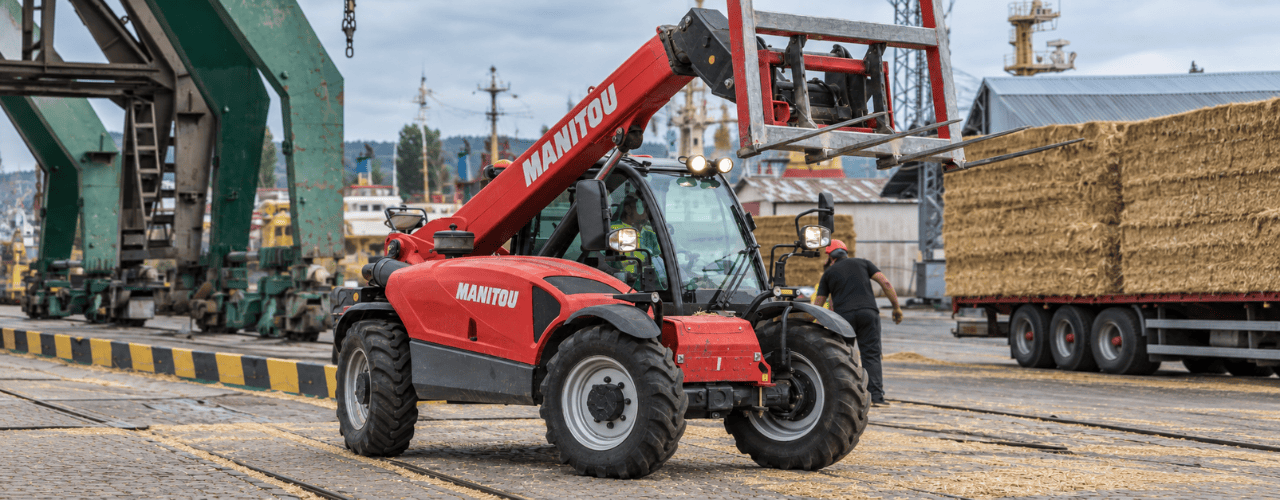
When Does Manitou Forklift Hire Suit a Mixed-Use Site?
Blog
If your operation moves materials between a warehouse, loading bay and yard, the question is...
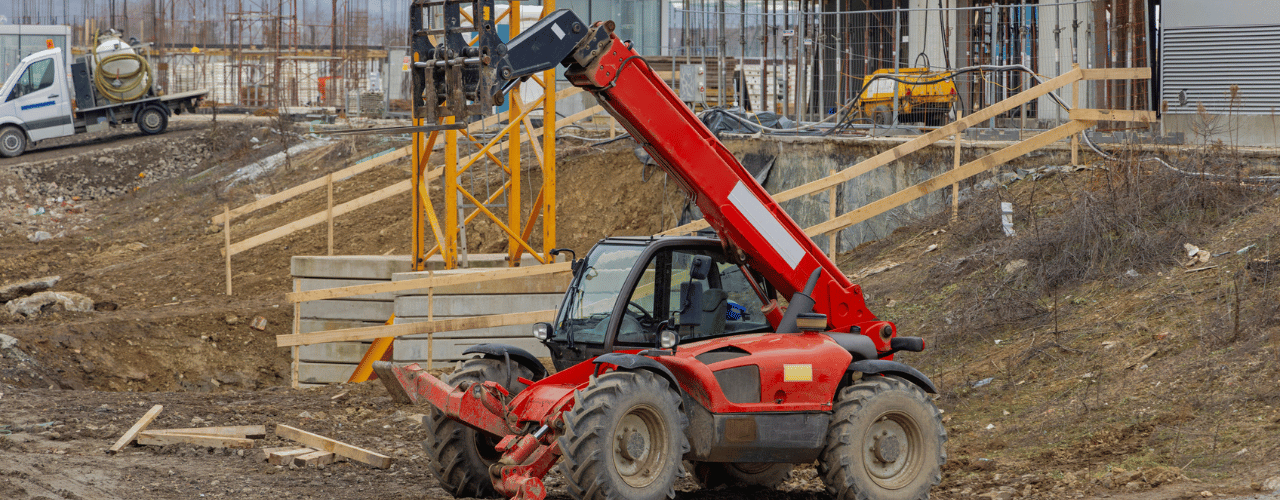
Choosing a telehandler on lift height alone can lead to the wrong machine for the site. When buyers ignore fuel use, servicing, and support, running costs rise. Poor manoeuvrability can then make downtime more likely. For anyone choosing plant for a live site, real site conditions need to come first. Running costs matter too. So what happens once the machine is on site? Brochure specs only take you so far.
Glosrose supplies plant and handling equipment for sites that need the right machine first time. We check how the site actually works before we recommend a Manitou telehandler, a Combilift, or a hire option. Some jobs need a standard telehandler on rough ground. Others only start working properly once long loads can move through tighter spaces without holding everything else up. In those cases, another machine type may solve the problem more cleanly than forcing a telehandler into the wrong layout. That is where buyers usually get caught out.
Lift height and capacity only tell part of the story. Buyers who compare telehandlers properly also look at fuel use and servicing needs. They also need to know how the machine will cope with daily site pressure. Miss those checks, and running costs rise while downtime becomes more likely.
Buyers used to check a load chart and place an order, but that is not enough on a busy commercial site with a tight schedule. You need to know how the machine will behave under heavy use and how much room it needs to work safely. Some sites may need a Manitou telehandler for rough terrain lifting, while others need a different machine type for tighter indoor work. The right choice depends on how the site runs. A load chart on its own will not tell you how the machine will work once the site gets busy.
The real cost of a telehandler comes from fuel, servicing, parts, downtime, and how well the machine holds up over time. For buyers comparing options, telehandler running costs often tell you more than the purchase price.
Fuel use under load and the availability of parts both affect those costs. Older machines can burn through diesel quickly and push weekly running costs up. Buyers should also factor in regular servicing, not just the initial purchase price.
Planned maintenance can reduce major failures and keep machines working well over time. Used Manitou telehandlers can also help preserve value when they have been serviced properly, which can help when it is time to upgrade.
If you want a clearer view of telehandler running costs before you commit, speak with the our team. We can help you compare fuel use, servicing, site fit, and support before the wrong machine starts costing more.
Manitou telehandlers are built for demanding work, helped by a heavy-duty chassis and responsive hydraulics. That matters most on sites where plant works hard every day. It matters even more when the ground is rough and the programme leaves little room for downtime. Buyers need to know if that stronger build suits the pressure the machine will actually face once it is on site.
A telehandler can look right on paper and still feel wrong once it starts working. Buyers comparing manufacturers should look at boom stability and hydraulic performance first. They should then ask how well the machine is likely to cope with dust, impact, and repeated lifting through a full shift. That is when machine choice starts to matter. When we supply Manitou telehandlers, we check the ground, the load type, the route, and how hard the site will work the machine. That helps buyers avoid choosing a telehandler that is too much machine for the space or not enough machine for the job.
Fuel efficiency affects daily running costs, while resale value affects how much money comes back when the fleet changes. Buyers comparing telehandlers should look at both together. A lower purchase price does not make the machine cheaper if it burns more fuel every week and drops value faster once the fleet moves on.
Those costs start to matter quickly on sites where the machine works all day. Better engines often use fuel more efficiently and can protect margins on fixed-price work. Well-kept lifting equipment can also sell more easily on the used market when the fleet is upgraded. We supply used Manitou telehandlers to contractors who want to balance daily running cost with long-term value. We also help buyers judge when paying more upfront makes more sense than buying on price alone.
A lower purchase price can still cost more once the machine is burning fuel every day. Buyers need to weigh running cost as carefully as purchase price.
A hire vs buy telehandler decision depends on workload, cash flow, and how long the site will need the machine. Buying suits businesses with steady year-round demand and the budget to invest upfront. Hiring gives more flexibility for short-term projects or specific tasks.
Buying gives you control over the asset and can reduce daily operating cost once the machine is paid off. Hiring can be the better option when the site only needs the machine for a short period, and you do not want to tie capital up in idle plant.
Manitou telehandler hire lets businesses scale plant up or down when demand changes. For firms comparing telehandler plant hire options, that flexibility can make more sense than tying money up in a machine that is not needed all year. We offer short-term and long-term hire to match the way the work is scheduled. A site might hire a machine for a fit-out, then return it when the team finishes the job. That kind of flexibility stops money being tied up in plant that is not being used.
Good telehandler support matters when the machine stops in the middle of a job and the site still needs to lift, load, or clear the route. Faster access to engineers and replacement parts can cut downtime.
A broken telehandler can slow far more than the lift itself. It can hold up deliveries and force the rest of the site to work around dead plant. Buyers should look closely at where support actually comes from, because regional teams are often closer to the job and the parts when work still has to move.
Kent and Maidstone construction projects often run on tight delivery windows, restricted access, and routes that are easier to manage with a nearby supplier. A local telehandler supplier may be able to move faster on delivery, replacement, and site visits because the machine is already closer to the job.
Moving heavy plant across the country adds transport cost and can also add delay before the machine even arrives. Local stock in Kent and Maidstone makes last-minute changes easier to handle when a replacement Manitou telehandler is needed quickly.
A proper fleet review gives buyers a stronger base for the next buying decision. Glosrose helps buyers compare telehandlers by checking the ground, the load, the route, the working space, support, and running cost, so the machine suits the site and the way it will be used.
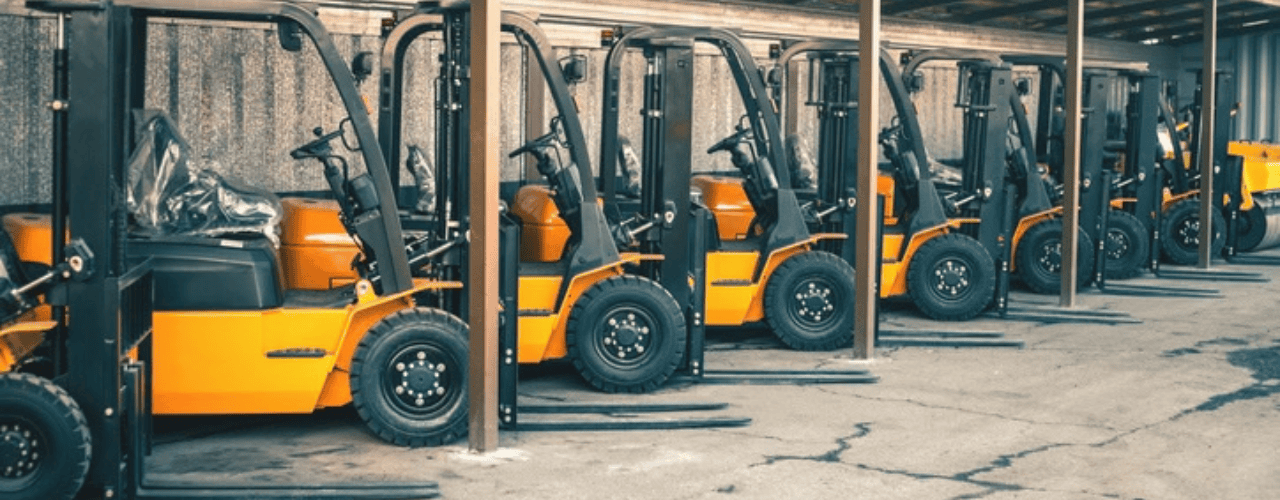
We offer equipment sales and short-term hire through one supplier, so buyers are not left chasing different people once questions start stacking up. If the site needs heavy telehandlers or a specialised Combilift forklift, we carry local stock that can cover urgent demand. We also flag when a Combilift forklift suits the route better than a telehandler. Our team checks what will actually fit the route, clear the turn, and keep the job moving.
Assessing telehandler site conditions means checking ground stability and turning space first. Buyers also need to check the daily loads and how much room the operator has to manoeuvre. That shows more clearly whether the machine can do the job safely without slowing the site down.
Rough ground needs tyres and steering that can cope with uneven surfaces. Tight spaces can also limit boom movement. A Manitou 14m telehandler may suit one site well, while a Manitou 17m telehandler may make more sense on another, but reach alone should not decide it. On tighter routes, another machine type may suit the layout better than trying to push a telehandler through the wrong space. Those site limits should shape the machine choice from the start.
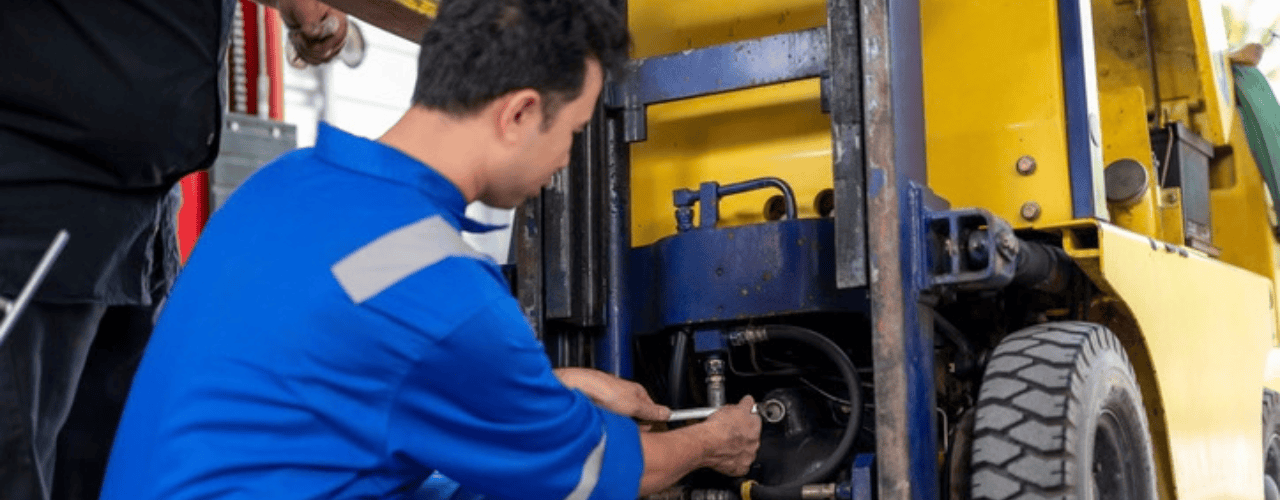
Regular inspections can spot wear and faults before they turn into a breakdown. Finding a frayed hose or worn bearing early gives the site a chance to plan the repair. That helps reduce unplanned downtime and keeps the job moving.
Operators should check equipment daily so they can spot small issues early. Weekly and monthly recorded inspections help with safety compliance and manufacturer guidance. Good service records can also help protect resale value later.
Local UK suppliers may be able to arrange parts and servicing faster than national call centres. Being closer to the site makes it easier for field engineers to bring key breakdown parts out quickly. That faster response can cut project delays.
Keeping parts in local stock means we can dispatch what is needed with less waiting. A grounded Combilift forklift or telehandler costs money every hour it sits idle. Faster regional servicing helps keep the site moving.
Not sure what you are looking for or need some advice for your requirements? Get in touch with us today and a member of our experienced team will be more than happy to help answer your questions.