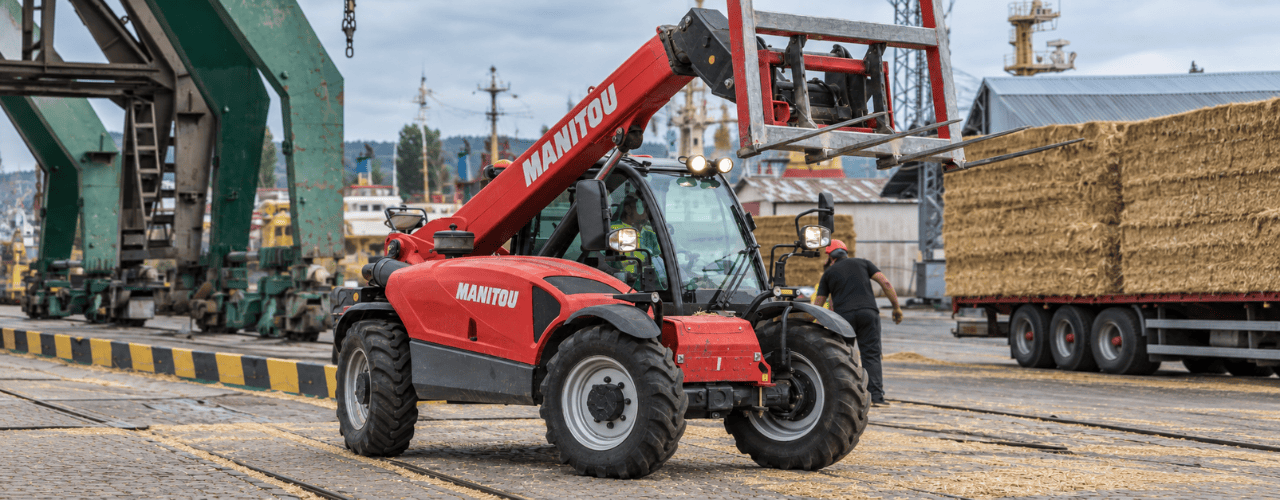
When Does Manitou Forklift Hire Suit a Mixed-Use Site?
Blog
If your operation moves materials between a warehouse, loading bay and yard, the question is...
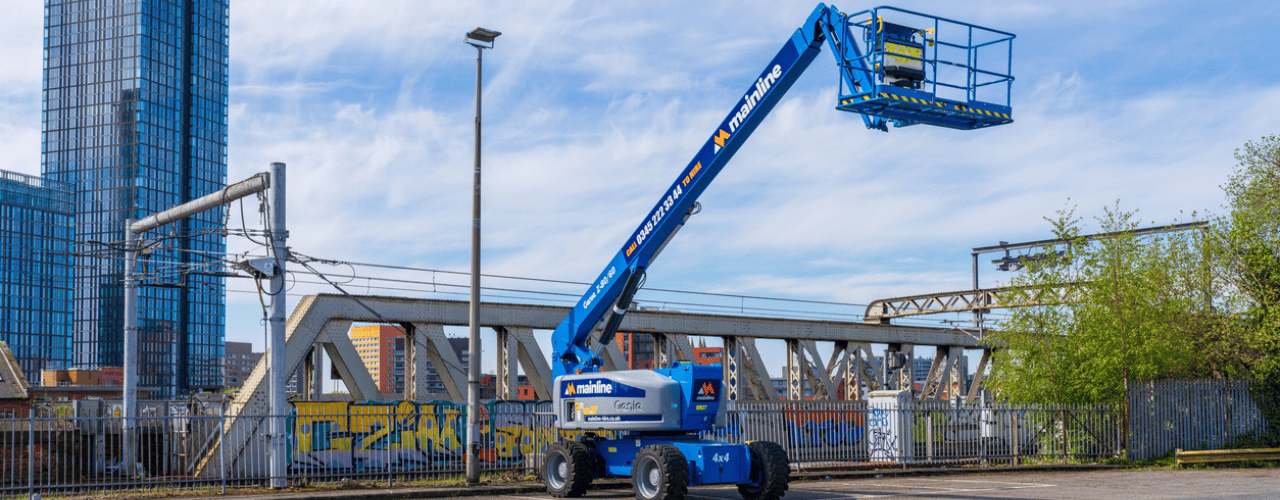
A scissor lift will often suit site managers, facilities teams and warehouse operators when the platform can stand beneath the task and travel mainly upwards. A boom lift usually suits work that requires horizontal or up-and-over reach.
Choosing between access platforms by working height alone can leave you with a machine that cannot enter the building or reach the work point. That can lead to an aborted delivery, idle labour and extra hire costs.
Record the required outreach and access dimensions, calculate the platform load and assess the ground conditions before delivery. These details help you specify the right mobile elevating work platform, or MEWP, for the job.
Share these requirements with us when enquiring about scissor lifts, boom lifts and other access platforms for hire or purchase.
Scissor lifts raise their platforms vertically above the chassis. Scissor lifts often suit work where the machine can stand beneath or close to the work point. Their larger platforms can also give operators more room for tools and light materials.
A boom lift uses an extending boom to position the platform away from the chassis. Consider this type when machinery, racking or part of the building blocks direct vertical access.
An articulating boom uses jointed sections to reach above and around obstacles. A telescopic boom extends in a straighter line and can provide longer horizontal reach where the site has enough operating space.
The main differences can be summarised as follows:
Once you have chosen the type of access platform, match the specific model to the site assessment and manufacturer’s operating limits.
Platform height measures the maximum height of the platform floor. Working height estimates how high an operator can reach from it. Neither figure shows where the machine must stand or how the platform will approach the task.
Measure the actual work point rather than relying on the overall height of the building. An operator may need to work below the roofline or reach above an edge from a lower platform position.
Outreach matters when the MEWP cannot stand beneath the task. Measure the horizontal distance from the nearest suitable operating position and record the height of any obstacle the platform must clear.
Machinery, racking, canopies and structural sections can change the required movement. The boom must provide enough up-and-over clearance for the platform to rise above an obstruction before reaching across it.
Allow enough clear space for the boom and platform to move through their full working range. A boom lift may have a compact chassis, but the machine can still require substantial space when the boom extends.
Scissor lifts need less horizontal operating space because they move mainly upwards. However, you must still allow enough room for the chassis, platform extension and safe access around the machine.
Access platforms must travel from the delivery point to the work area. They must then operate on surfaces that can support their weight and concentrated loads.
Measure the full route. Include:
Compare these measurements with the model’s stowed width, height and overall length. Review its turning circle as well. A MEWP (Mobile Elevating Work Platform) may pass through a doorway in a straight line but lack enough space to turn once inside.
Machinery, stock, columns or racking may restrict indoor access routes. Construction access can also change as other trades reposition materials or install temporary structures. Review the route again before delivery if the layout has changed.
Once you have confirmed the access route, assess the surfaces along that route and at the working position. Access platforms transfer their weight through wheels, tyres, stabilisers or outriggers.
A floor may support the machine’s total weight but remain unsuitable for the concentrated load beneath one wheel or stabiliser.
Look for:
Rough-terrain models may provide tyres, drive systems and ground clearance suited to more demanding outdoor surfaces. They still require adequate ground-bearing capacity and must remain within the manufacturer’s limits.
Rain or excavation work can change conditions during the hire period. Repeated vehicle movements can also rut or weaken the surface.
When enquiring, send Glosrose any available route measurements, surface details and site photographs. This information can support the discussion about suitable access platform hire options, subject to specification and availability.
Include the weight of all occupants, tools, materials, approved accessories and components in the total platform load. The machine must remain within both its rated platform load and the manufacturer’s permitted number of occupants.
Also confirm that the platform provides enough physical space for the team to work.
Scissor lifts often provide more room than boom lift baskets. This can suit maintenance and fitting work where operators need tools or light materials at platform level.
A boom lift may reach the task from the available position but offer a smaller basket. In that case, select another model or plan a separate method for moving materials.
The operating environment also affects which access platforms suit the task. Battery-electric scissor lifts can work well in warehouses, factories and other emission-sensitive environments because they produce no engine exhaust at the point of use and generally operate more quietly than engine-powered models.
Outdoor work may require a suitable diesel, hybrid or electric model. Confirm that the tyres, ground clearance, wind rating and operating classification suit the site.
Open loading bays and partially clad buildings can expose a platform to wind, even when the work takes place inside. Use the manufacturer’s operating limits for the specific model rather than relying on a general indoor or outdoor description.
At Glosrose we take a multi-brand approach across its wider equipment offering and supplies mobile elevating platforms for hire and purchase.
Our team can discuss access platforms that match your task requirements, access route, operating conditions and budget. We can also discuss equipment sales, short-term hire and long-term hire, subject to specification and availability.
Send the Glosrose team your measurements, available site photographs and required dates. We can discuss suitable scissor lifts and boom lift options for hire or purchase.
No. Platform height refers to the platform floor. Working height includes the operator’s estimated reach, so use the manufacturer’s figure for the specific model rather than adding a standard allowance.
Scissor lifts primarily move vertically. Some models include an extension deck for limited access beyond the chassis, but this does not provide the same up-and-over reach as an articulating boom lift.
Manufacturers approve some scissor lifts for outdoor operation on defined surfaces and within stated wind limits. Confirm the model’s rating, tyres and ground requirements before use. Do not treat an indoor-only slab machine as a rough-terrain model.
Not sure what you are looking for or need some advice for your requirements? Get in touch with us today and a member of our experienced team will be more than happy to help answer your questions.