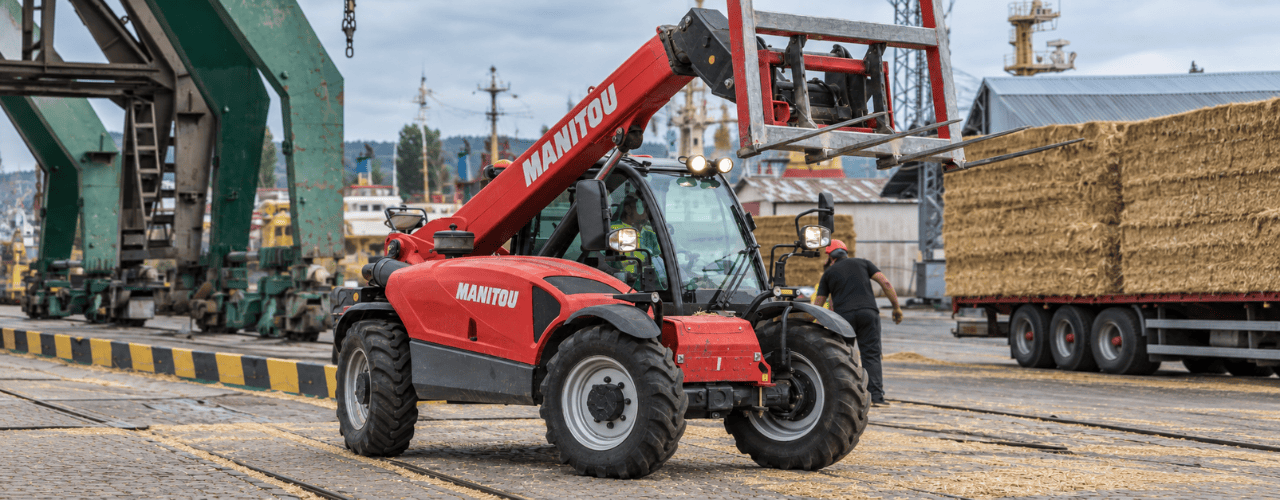
When Does Manitou Forklift Hire Suit a Mixed-Use Site?
Blog
If your operation moves materials between a warehouse, loading bay and yard, the question is...
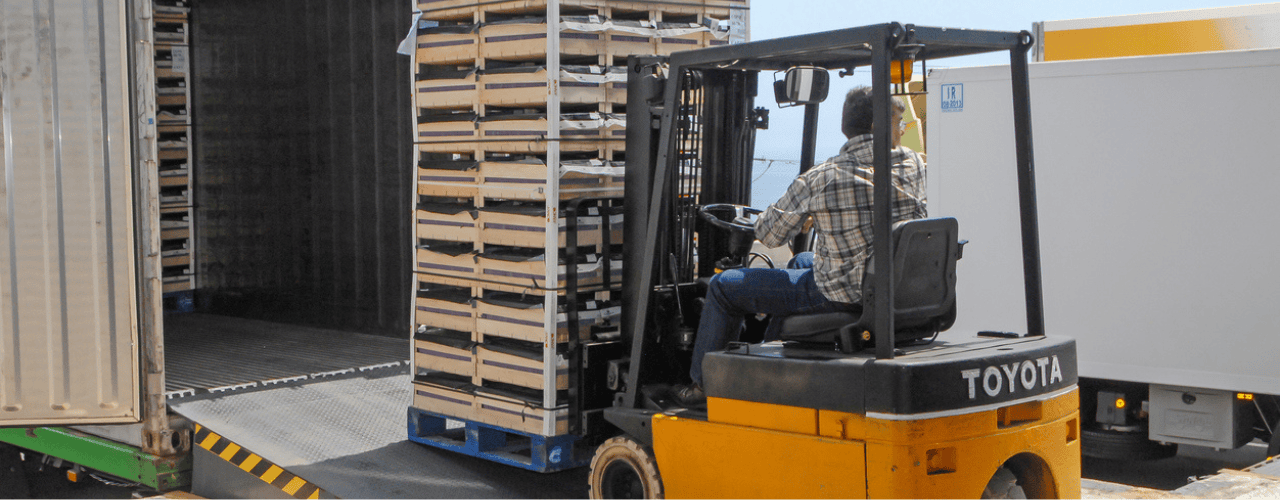
For steel stockholders, Combilift forklifts can be a strong choice when long beams, tubes and bundled sections make a conventional counterbalance forklift inefficient. Sideways travel keeps the load aligned with the route, which can reduce wide turns and temporary staging between the delivery vehicle and cantilever racking. At Glosrose, we can use your load details, site measurements and proposed lorry-to-rack route to discuss suitable Combilift models, dedicated sideloaders or other forklift options. This can help you avoid selecting a truck that solves one part of the journey but creates another restriction elsewhere.
A Combilift is most likely to improve the operation when long-load movements happen regularly, and the current process relies on repeated corrections or an extra handling stage. Another truck may remain the better choice when long steel is handled infrequently, or the existing route already provides generous clearance.
A conventional counterbalance forklift carries a long load across the front of the truck. During a turn, the outer end of the steel sweeps through a much wider area than the chassis. Tight gates or awkward aisle entrances can then force several changes of direction before the load reaches storage.
Suitable Combilift forklifts can travel forwards, backwards and sideways. Once the steel has been collected and aligned, it can remain lengthways along the main route. This reduces the need to rotate the full bundle at each turning point.
The truck can work more efficiently when the unloading area connects directly with the main travel route and the aisle serving the cantilever racking. Fewer corrections can shorten the load cycle and reduce the space needed for manoeuvring.
On a site where one truck unloads the delivery and another completes the storage movement; a suitable multidirectional forklift may reduce the need for two handling stages. The load capacity, route and rack access must support the complete movement.
Where a multidirectional truck could reduce handling stages, the next step is to match the machine to the load and route. At Glosrose, we can discuss suitable Combilift multidirectional and specialist equipment for long or awkward materials, subject to the required specification and availability.
The specification should reflect the longest and heaviest loads handled during routine work. A truck selected around an average bundle may lack sufficient capacity or support when longer sections form part of the normal stock profile.
A long bundle can place its load centre, the horizontal distance from the fork face to the load’s centre of gravity, further forward than a compact pallet. As that distance increases, the truck’s available capacity may decrease. Greater lift height and some attachments can reduce the available capacity further.
The final configuration must provide sufficient residual capacity, meaning the weight the truck can safely lift in the specified configuration at the required load centre and height. The mast and the selected fork, carriage and attachment configuration can affect that figure.
Load support must also suit the steel profile. Beams, tubes and bundled sections may require different fork spacing or support even when their total weights are similar. Rare oversized items may be better managed through a separate handling plan than by overspecifying the truck used every day.
At Glosrose, we use these details to compare suitable truck configurations, subject to the final application requirements. This can reduce the risk of selecting a machine that does not retain sufficient capacity at the required storage height or paying for capacity the site rarely uses.
The site layout must support the full route from unloading to storage. The unloading area needs enough space for a controlled collection and alignment movement, while the main route must provide clearance for the complete load as well as the truck chassis.
The aisle entrance can be as important as the clear width inside the aisle. A direct approach may allow the operator to enter with the steel already aligned. An offset or obstructed entrance can bring back the turning and reversing that the multidirectional truck was intended to reduce.
The orientation of the cantilever racking, the storage height and the available space at the aisle end can all affect load placement. Ground conditions matter too, because gradients, damaged concrete and abrupt surface changes can affect stability and travel speed. Traffic routes and pedestrian controls must account for the full length of the load, not only the truck.
We can review your route measurements and proposed layout to help identify restrictions around unloading, gates and aisle access. This can reduce the risk of solving one bottleneck while creating another elsewhere in the yard.
The commercial case becomes clearer when you compare the current handling process with the proposed route. Useful measures include:
The case becomes stronger when a Combilift shortens a frequent load cycle, removes an avoidable handling stage or releases usable space. These gains remain site-specific and should be tested against the proposed layout.
Purchase may suit a stable requirement with high utilisation. Short-term hire can support a temporary contract, replacement period or yard reconfiguration. Contract hire may provide longer-term cost planning and include servicing, depending on the agreement.
We can compare new and used equipment with short-term and contract hire options against the expected utilisation. This helps you choose a cost structure that fits the workload without committing to an unsuitable long-term arrangement.
A conventional counterbalance forklift may remain economical when long-load movements are rare and the yard provides enough turning space. A dedicated sideloader may suit a repetitive route dominated by straight travel. Other sites may need a different truck configuration because of capacity, ground conditions or storage height.
A multidirectional truck may provide better utilisation when the same machine regularly handles pallets and long steel. A more specialised truck may suit an operation dominated by one load type.
Our multi-brand approach allows us to compare the proposed Combilift with other handling options. This means the recommendation can follow the application rather than starting with a predetermined machine.
Operators need conversion and familiarisation training for the steering modes, load position and site route. Previous counterbalance experience does not remove the need to understand the handling characteristics of a multidirectional truck.
Traffic routes and pedestrian controls must account for the full length of the steel. When one specialist truck supports both unloading and storage, planned maintenance and prompt defect reporting become especially important for uptime.
Our forklift servicing and parts support can help reduce the risk and duration of avoidable downtime. Maintenance and thorough examination support are available where applicable.
Combilift forklifts can be a strong choice when regular long-load movements are restricted by turning space or an inefficient route to storage. Suitability depends on matching the truck to the load, rack access and expected utilisation.
We can discuss your proposed movement and compare suitable Combilift models, dedicated sideloaders or other forklift options. New, used and hire options remain subject to final specification and availability.
Speak to the Glosrose team about long-load handling equipment for your site.
Some multidirectional models can handle both long materials and palletised loads. Suitability depends on the required capacity, mast, fork arrangement and space available for each duty.
There is no universal minimum aisle width. The requirement depends on the truck model, load length, rack layout and clearance at the aisle entrance. The proposed route should be assessed with the intended load.
For an initial discussion, useful information includes the maximum routine load weight and length, load centre, fork requirements, storage height, route measurements, ground conditions and expected operating hours. Site photographs or a simple layout plan can help us understand the proposed movement.
Not sure what you are looking for or need some advice for your requirements? Get in touch with us today and a member of our experienced team will be more than happy to help answer your questions.