How to expand a forklift fleet without losing cost control
Blog
Growth in warehousing, manufacturing and logistics can create a simple problem: you need more lifting...
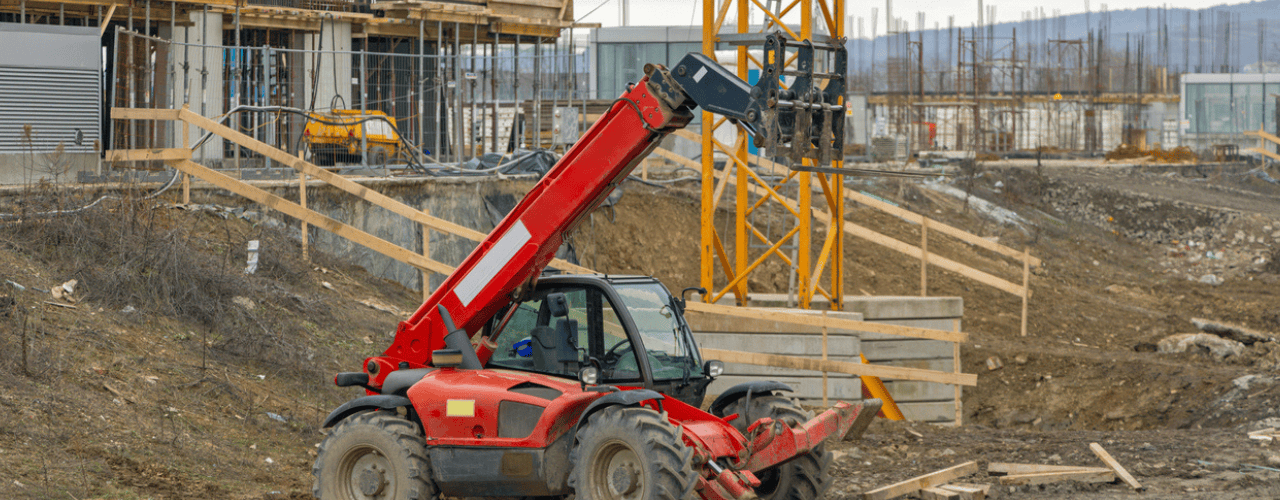
On a tight construction site, the wrong telehandler can affect more than one lifting task. A machine may fit through the entrance yet lack the capacity, reach or operating space needed at the workface. Once labour, deliveries and material movements depend on it, changing the specification becomes harder.
At Glosrose, we help you look beyond the headline figures. Share your load details, landing position, access measurements and expected site conditions with us, and we can discuss telehandler and attachment options suited to the proposed job. Our multi-brand approach allows us to consider the lift and site requirements together rather than working backwards from one machine range.
This gives you a clearer hire specification before delivery and allows any access work or ground preparation to be included in your programme. Equipment selection remains subject to the final specification and availability.
Maximum capacity, lift height and forward outreach are separate limits. They should not be treated as one combined lifting capability.
A telehandler may carry its maximum rated load within a limited part of its operating range, commonly when the boom is retracted. The capacity available can reduce as the boom rises or extends. The manufacturer’s load chart shows the rated capacity for the intended boom position and machine set-up.
For telehandler hire on a tight site, the useful figure is the rated capacity available at the actual height and reach required for the job.
This is why a requirement such as “two tonnes to the first floor” may not provide enough information to select a machine. The telehandler also needs enough capacity from the position where it can realistically stand.
Your final fork position needs to be clear too. The stated floor level may not account for the clearance needed to place the pallet beyond a wall, scaffold rail or landing edge.
Attachments can affect the calculation. A hook, jib or another attachment may alter the effective load centre and the rated capacity available for the task.
When you share the load weight, final fork height and required reach with us, we can focus the discussion on telehandlers that appear suitable within that part of their working range. Our equipment range includes Manitou telehandlers for construction and materials handling applications.
Your required reach starts from the nearest position where the telehandler can realistically stand and operate. Measuring from the building line may understate the distance the boom needs to cover.
Scaffolding or an excavation can push the machine farther away from the landing point. Stored materials may also reduce the available set-up area. Even a relatively small change in the machine position can affect the capacity available at the required height.
A useful reach assessment should account for:
Site drawings can provide a starting point, but the working layout may change before the hire begins. The machine position should reflect the conditions expected on the delivery date.
Share the measured distance with us alongside the load information. We can then compare your requirement with relevant telehandler options and the applicable manufacturer’s load charts.
Your access assessment should cover the full route from the unloading area to the workface. The main gate may not be the tightest part of the journey.
Internal corners, overhead structures and temporary access lanes can restrict the machine farther into the site. The telehandler also needs enough room to align with the load before the boom is raised or extended.
The most useful measurements include:
A machine may clear the entrance and still be unable to straighten up or approach the pallet correctly. The available set-up space is therefore as important as the route width.
Your expected site layout should guide the measurements. Scaffolding may narrow an access lane by the time the hire begins, while materials or other plant could occupy an area originally intended for turning.
Delivery access also needs separate consideration. A suitable telehandler cannot begin work if the delivery vehicle cannot reach an appropriate unloading point.
Route measurements and a few clear site photographs help us understand these restrictions before we discuss equipment. This gives us a clearer basis for discussing telehandler hire options that are more likely to reach the work area and operate within the space available.
Your telehandler will also need to fit within the site’s traffic management plan. Shared routes and pedestrian movements may reduce the working area further during busy periods.
The route may be wide enough for the machine but still unsuitable beneath it.
Traction and ground support are different issues. Rough-terrain tyres and four-wheel drive may help a telehandler travel over difficult surfaces. They do not confirm that recently filled ground or an underlying structure can support the machine during movement and lifting.
Ground suitability should cover the route from the unloading area through to the final operating position. The material pick-up area also needs suitable support.
Soft or disturbed surfaces may deform beneath the machine. Slopes can affect how the telehandler travels and positions itself. Excavations, backfilled areas and structural surfaces may need further assessment before plant moves across them.
Conditions can change between your first site visit and the hire date. Prolonged rain may soften a previously firm route, while new temporary works can alter the proposed machine position.
Reviewing the expected conditions early gives your site team more time to include any necessary preparation in the programme.
Some duties or rated capacities require stabilisers to be deployed, as shown on the applicable load chart. Where stabilisers are needed, the operating area must provide enough space for deployment and suitable support beneath each contact point.
Tell us about known slopes, soft ground or restrictions around the work area during your enquiry. These details may change which telehandlers are considered for the job.
We can use the information supplied to help match equipment to the proposed task. The employer remains responsible for ensuring that the lifting operation is properly planned by a competent person, appropriately supervised and carried out safely. Site management must also confirm that the route and operating area are suitable.
The right telehandler needs to satisfy the lift requirement while fitting the site.
A compact machine may suit a narrow access route, while another model may offer more capacity at the planned height or outreach. The available turning space and ground conditions can narrow the choice further.
At Glosrose, our role is to bring these requirements together. We consider the proposed lift, the space available for the machine and the attachment needed for the load. Your hire period and budget can then be reviewed against options that appear suitable.
Some tasks may call for a different telehandler configuration. A non-rotating telehandler cannot slew the load to the side, so the chassis normally needs to be repositioned. Where the site provides very little room for movement, another configuration may be more appropriate.
Our multi-brand approach means the discussion is not restricted to one manufacturer. We can help you focus on machines that suit the proposed job rather than selecting equipment from one attractive headline figure.
Contact us once you know the heaviest load, the landing position and your approximate hire dates. Access information can then be reviewed alongside the lifting requirement.
An early discussion gives you more time to confirm the machine and attachment before labour or deliveries depend on them. It also allows any access work or ground preparation to be included in the site programme.
We support construction businesses across Kent, Surrey, Sussex, London and the wider South East with equipment hire, sales and servicing. If you require any assistance with the important information regarding the machinery hire, contact us and our team will help you.
Yes. Share your load information, required reach and relevant site measurements with us. Your postcode, proposed hire dates and ground details will help us discuss suitable options.
Not necessarily. Rated capacity depends on the boom position, selected attachment and load set-up. The manufacturer’s load chart must be considered for the planned lift.
Your quote will depend on the machine type, required capacity and attachment. Hire duration, delivery requirements, site location and availability will also affect the cost.
Not sure what you are looking for or need some advice for your requirements? Get in touch with us today and a member of our experienced team will be more than happy to help answer your questions.